Optimized standard layouts compliant with local utility configurations and harsh environmental conditions.
A deep analysis of localized power requirements, compliance, and material engineering in the Caribbean basin.
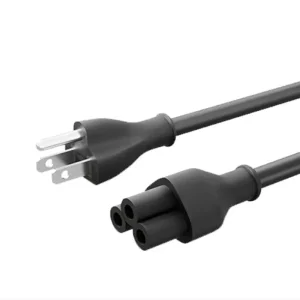
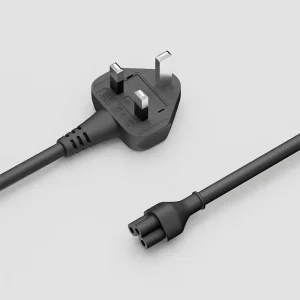
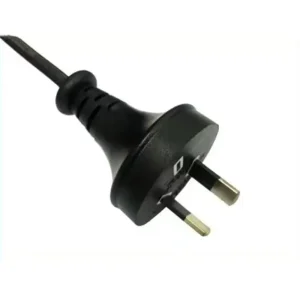
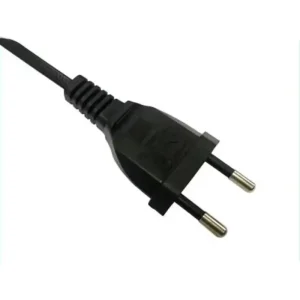
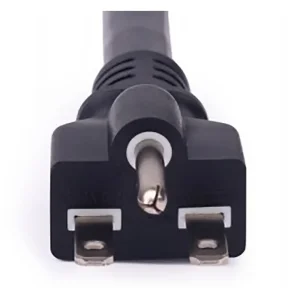
Dominica operates primarily on a 230V mains voltage at 50Hz, managed by the Dominica Electricity Services Limited (DOMLEC). Due to historical influences and imports from both North America and European markets, Dominica's commercial, residential, and industrial sites rely on a mix of standard Type G (UK standard) and Type A/B (North American standard) plugs. Adapting and implementing durable AC power cords that support these dual structures is critical for commercial businesses, telecommunications centers, and agricultural processing facilities.
Moreover, the Commonwealth of Dominica's position in the Caribbean Hurricane Belt means electrical transmission setups must withstand high relative humidity (exceeding 90%), constant exposure to marine salt-spray, and rapid temperature fluctuations. Traditional, cheap plastics degrade quickly in these environments. Industrial systems require heavy-duty chlorosulfonated polyethylene (CSPE), neoprene, or high-grade PVC insulation jacketed cords (such as SOOW or SJTOW) to maintain dielectric integrity and prevent premature insulation tracking or short circuits.
The global market for electrical interconnects has transitioned from standard copper-and-vinyl assemblies to intelligent, high-spec systems. Modern infrastructure demands high copper purity (oxygen-free copper with 99.99% conductivity), low-resistance contacts, and eco-friendly insulation layers. For Dominica, importing standard bulk wire assemblies is rarely sufficient. Because local utility networks face frequent voltage drops and microgrid isolated configurations, connection points must be designed with built-in thermal resistance and transient protection.
Global manufacturers must coordinate with regional design specs. Custom tooling allows the creation of dual-certified cords that meet UL (Underwriters Laboratories) standards for North American equipment and BS (British Standards) or ASTA approvals for European legacy installations, assuring Dominica engineers of absolute safety and compliance with international standards.
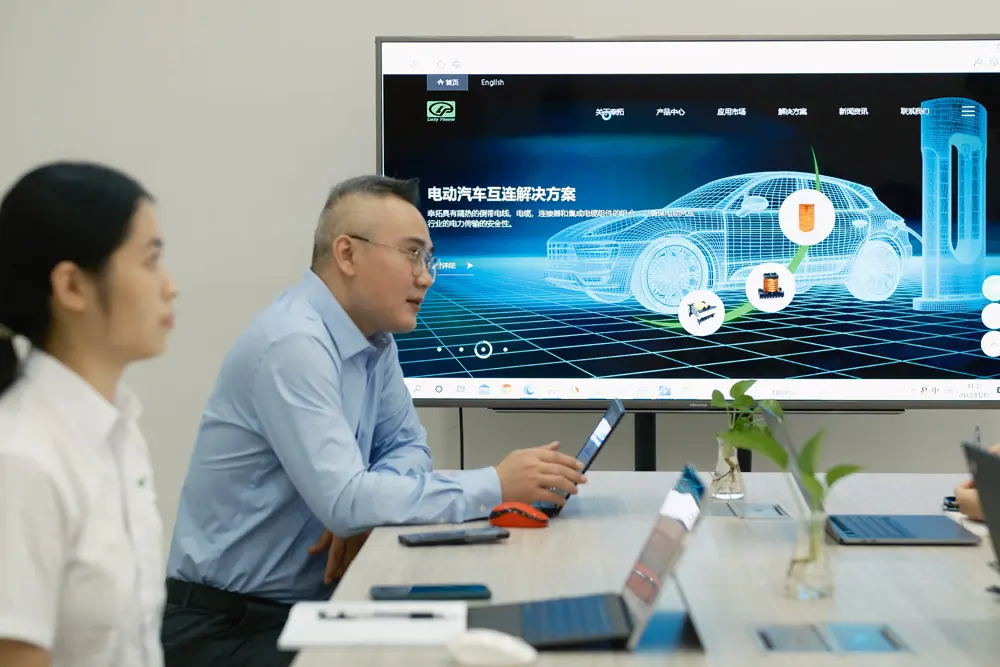
Lucky Pioneer has complete and extensive scalable design solutions and product offerings, supported by state-of-the-art testing systems.
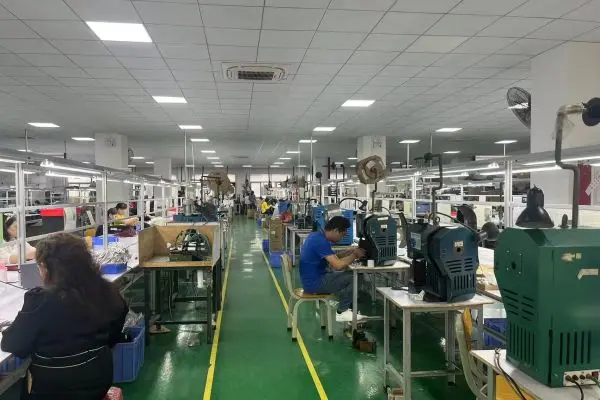
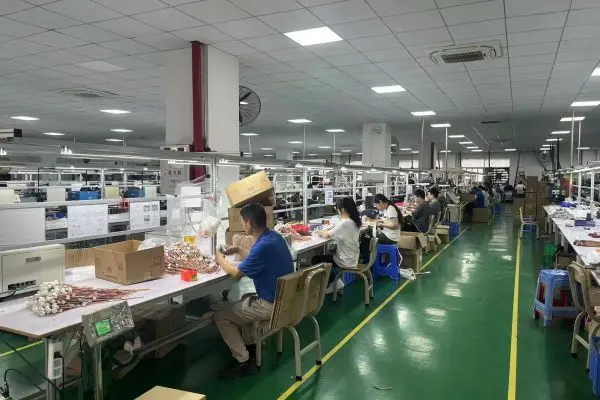
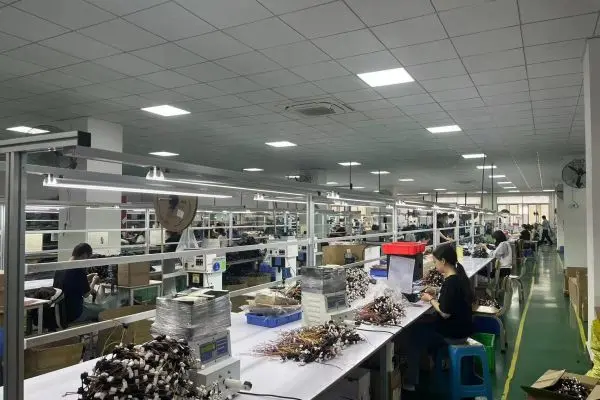
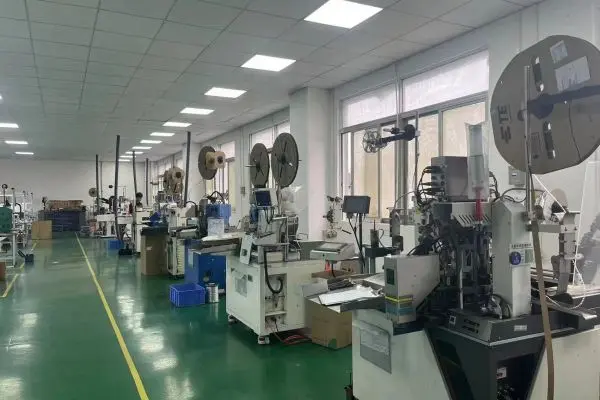
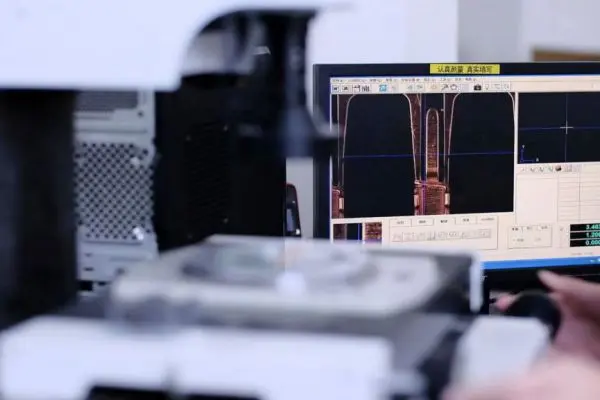
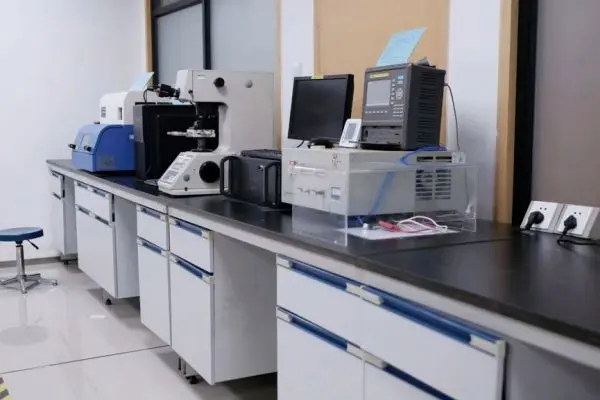
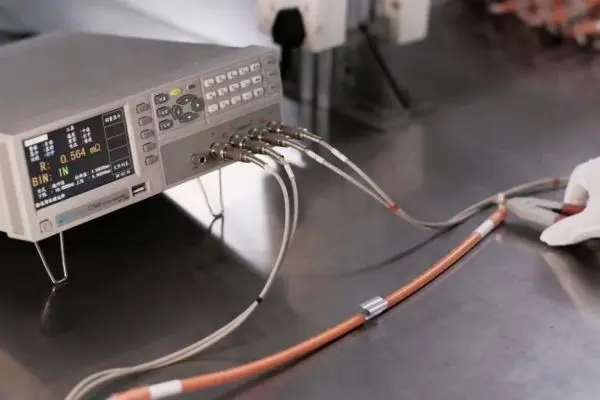
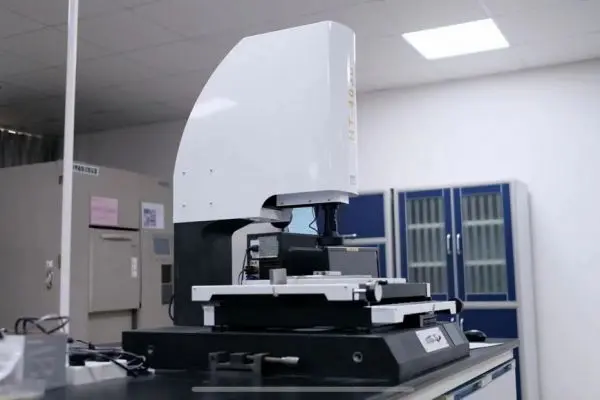
Why global and local engineering teams choose Lucky Pioneer as their primary interconnect systems partner.
Direct application scenarios and development strategies for modern utility systems in Dominica.
Dominica is modernizing its electrical network following intensive hurricane exposure. Heavy-duty power cords must feature high strain relief and molded connectors that seal out water. By utilizing double-insulated jacket materials and IP67/IP68 ingress ratings for connector ends, industrial installations, tourist eco-lodges, and public utility equipment can run reliably even when exposed to severe weather and humidity.
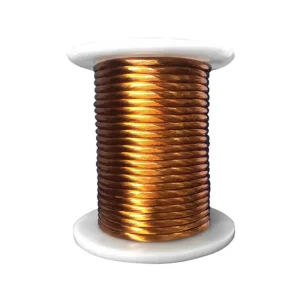
With Dominica investing heavily in its Geothermal Power Plant at Laudat and extensive community solar microgrids, specialized interconnects are required. Photovoltaic power cords, high-conductivity bus wires, and resettable protectors play a major role in converting and delivering stable green energy to DOMLEC's distribution lines.
All interconnect assemblies undergo exhaustive dielectric strength testing, insulation resistance evaluation, and physical environmental aging simulations at our specialized facility. This guarantees that every shipment landing in Roseau or Portsmouth maintains perfect electrical and mechanical capabilities throughout a long service life.
Key technical answers for engineers and procurement managers sourcing power cords for Dominica projects.
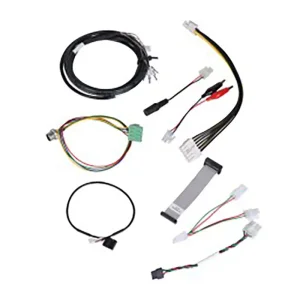
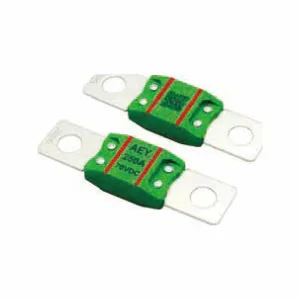
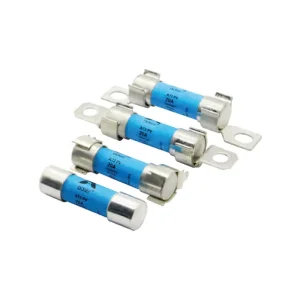
Heavy-duty power cables and circuit protection devices optimized for Dominica's energy and communication networks.
 Lucky Pioneer