High-performance wire varieties, resettable electronics protectors, and specialized industrial harness assemblies designed for reliability under extreme operational loads.
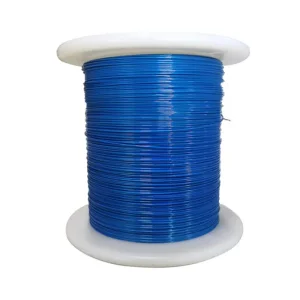
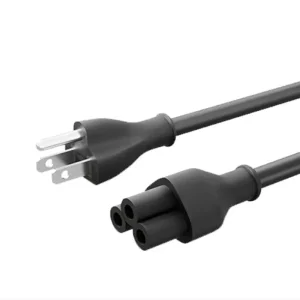
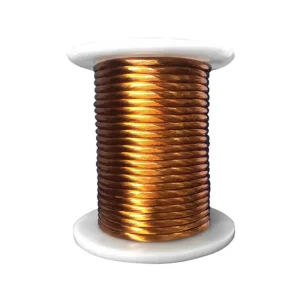
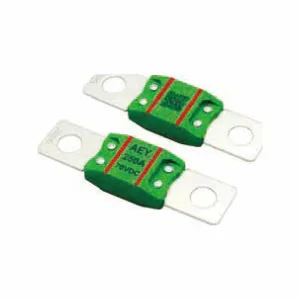
Lucky Pioneer Electronic Co., Ltd. is a technology-driven, client-focused interconnect engineering partner established by a team of elite design engineers. Built upon a foundational passion for advanced wire metallurgy and complex connector manufacturing, our company is driven by a singular mission: to be the standard-bearer for customized interconnect solutions worldwide.
Our operational framework spans from design conceptualization, rapid prototyping, and validation testing, to full-scale mass manufacturing. We cater primarily to quality-critical industries where minor mechanical failures can lead to system-wide failures. This includes industrial metering, medical instrumentation, power electronics, IoT sensing nodes, high-frequency transformer applications, and automotive drive systems.
As a key strategic partner, Lucky Pioneer is integrated into the design cycle of many startups and established multinationals. By offering customized development of specialized cables and terminal assemblies, we ensure that our components seamlessly integrate into high-density architectures, reducing system losses and managing thermal loads effectively.
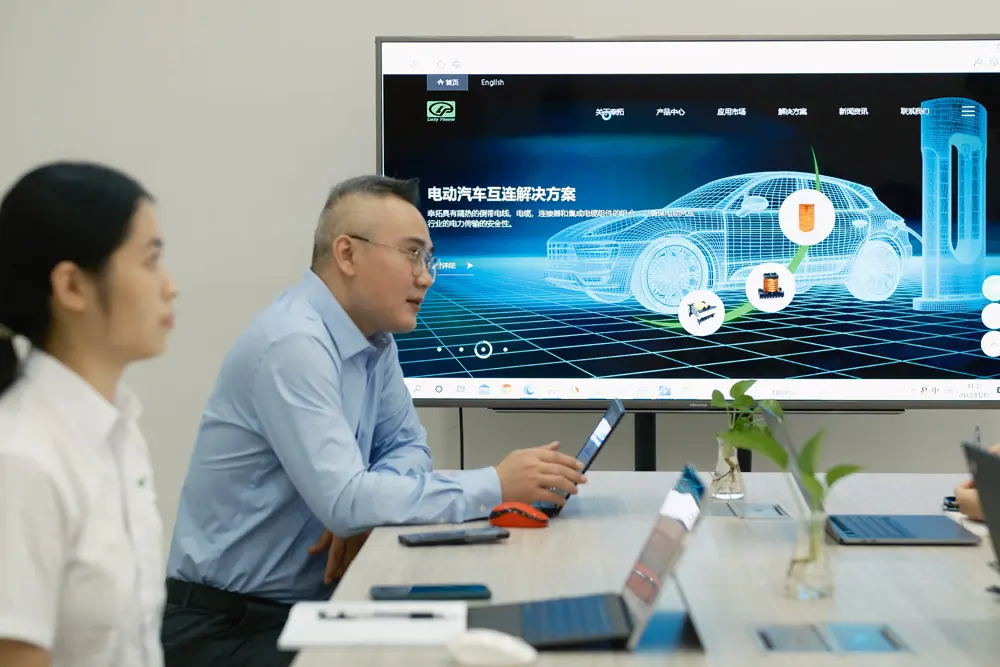
Technical analysis of modern power interconnect requirements, shifting from traditional distribution mechanisms to high-voltage, high-density environments.
The contemporary landscape of industrial electrification is defined by rapid increases in power densities and the integration of smart control networks. The demand for reliable power wire connectors is driven by three main factors: the electrification of transportation (EVs), the expansion of cloud computing infrastructure, and the global transition to renewable energy sources. Standard connector configurations are no longer sufficient for systems operating at high voltage and current levels. Current connector designs must manage high electrical loads while operating within tight thermal margins.
Voltage drops across connector terminals are primarily caused by contact resistance ($R_{contact}$). Minimizing this resistance is critical for safety and efficiency. High resistance generates heat ($I^2R$ losses), which can degrade structural insulation and lead to electrical faults. Modern designs utilize specialized copper alloys plated with silver or gold, combined with high-pressure contact springs, to maintain physical contact pressure under continuous thermal cycling.
Multi-axis automated cells require power and signal lines that can withstand continuous torsional strain. Custom overmolded wiring harnesses prevent dynamic friction wear, securing connection points against environmental contaminants in industrial plants.
Photovoltaic installations and battery storage systems (ESS) run at high DC voltages (up to 1500V). Connectors in these systems require robust weatherproofing, UV resistance, and low dielectric degradation to prevent ground leakage over decades of outdoor service.
Modern servers require efficient power delivery units (PDUs) to support high-draw computing chips. Connectors must handle high currents within compact spaces, maintaining low contact resistance to manage the heat generated by round-the-clock operations.
Adapting connectivity solutions to meet different regional safety codes, environmental conditions, and industry regulations.
Safety certifications in North America are centered around UL (Underwriters Laboratories) and CSA (Canadian Standards Association) standards. For building systems and heavy machinery, connectors must comply with UL 1977 (for data and signal applications) or UL 2238 (for industrial control systems). Standard installations require materials to meet VW-1 flame-retardant standards and undergo rigorous heat distortion and impact resistance testing.
These regions require compliance with BS standards and Lloyd's Register marine rules. High humidity and saline environments in marine terminals demand connectors made with corrosion-resistant nickel-aluminum bronze alloys or high-grade stainless steels. In urban construction, low-smoke zero-halogen (LSZH) sheathing is mandatory to prevent toxic gas emissions in the event of a fire.
Connectors used in mining and regional solar farms must withstand high UV radiation, thermal expansion cycles (from desert heat to cold nights), and abrasive dust. Heavy-duty enclosures require IP68 or IP69K ingress protection, ensuring reliable seals against high-pressure water jets and fine particulates.
In South America, INMETRO certifications guide compliance requirements. Distributors seek cost-effective, high-conductivity options that can integrate with existing utility grids and handle fluctuations in local grid voltage without degrading over time.
Developing connectivity solutions that support higher power, integrated intelligence, and improved sustainability.
Lucky Pioneer's research and development focus is centered on three main technical trends:
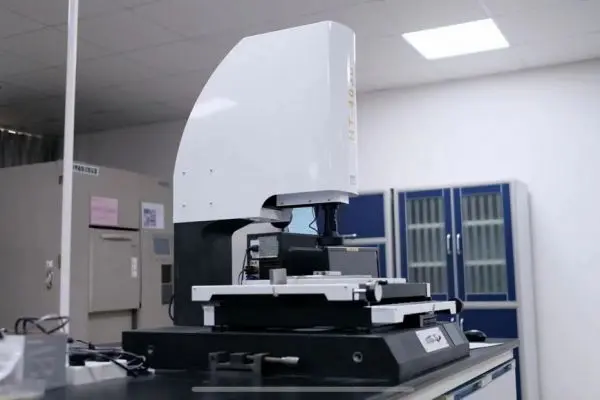
Lucky Pioneer maintains high-quality design solutions and product offerings through rigorous quality assurance testing.
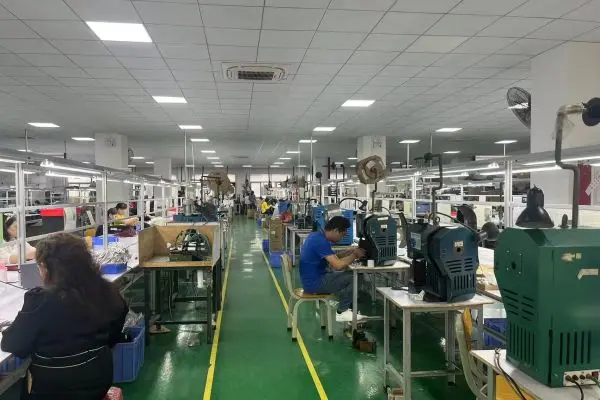
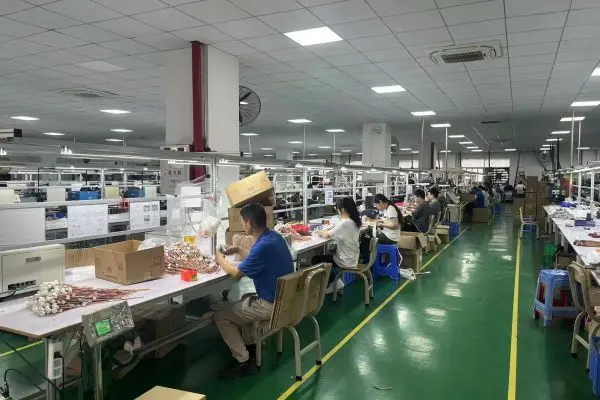
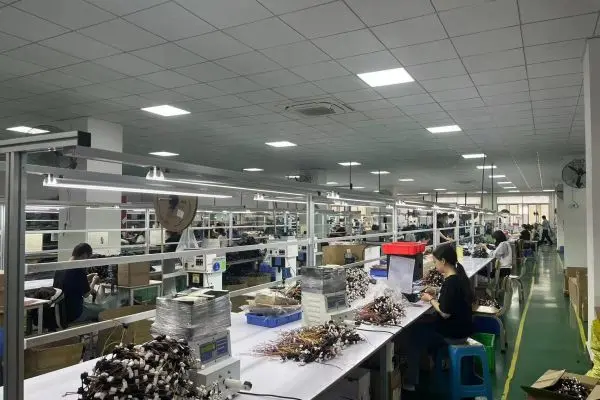
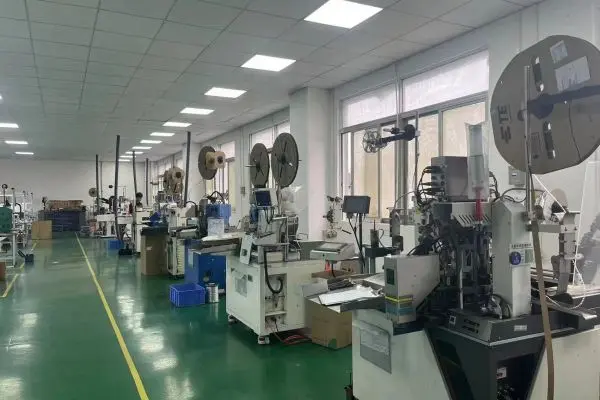
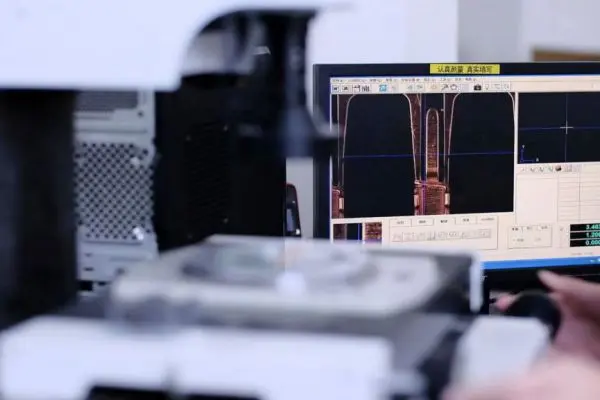
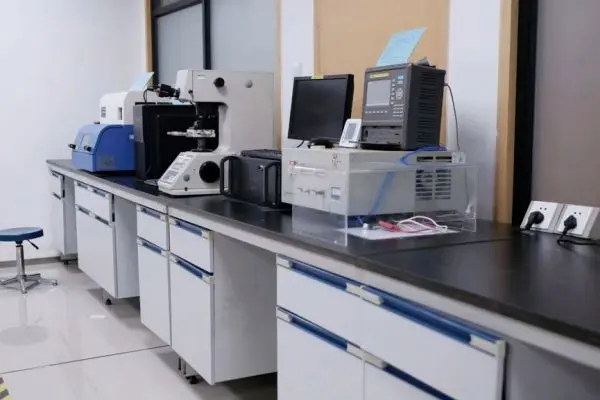
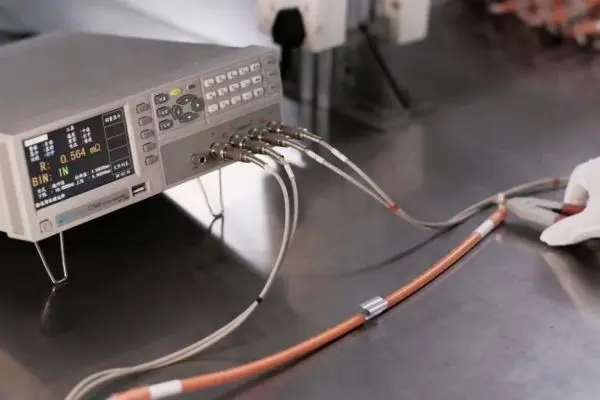
How our manufacturing location supports production speed, quality control, and global delivery times.
By coordinating our manufacturing operations in the Yangtze River Delta and surrounding electronics hubs, Lucky Pioneer leverages an integrated ecosystem of raw material suppliers, refining partners, and specialized tool manufacturers. This close integration allows us to significantly reduce typical production lead times. With direct access to high-purity copper refineries and polymer compounding suppliers, we can quickly scale up production while maintaining consistent material quality.
This localized supply chain provides notable benefits to our global partners:
Lucky Pioneer possesses the technical expertise, processes, and tools required to deliver high quality across the entire product lifecycle.
Technical answers to common questions about power wire connectors, installation, and compliance.
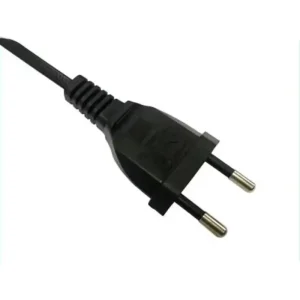
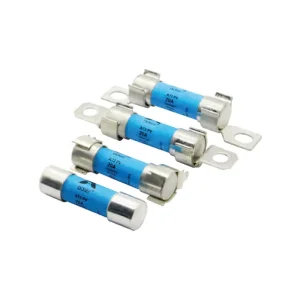
Browse our range of heavy-duty industrial wiring harnesses, automotive ABS lines, photovoltaic fuses, and marine cables.
 Lucky Pioneer