Engineered to ensure continuous electrical integrity under extreme operating parameters
Analyzing critical physical and electromagnetic links in modern infrastructure
In the modern industrial paradigm, external wire connectors have transitioned from basic electro-mechanical interfaces to highly sophisticated nodes responsible for power transmission, high-speed telemetry, and system control. Operating in unprotected, rugged environments, these connectors must withstand intense mechanical stressors, exposure to dust, moisture, corrosive agents, and extreme temperature fluctuations. The integrity of the entire electrical architecture in utility-scale solar farms, wind turbines, telecom base stations, and automated manufacturing floors rests on the design and execution of external connection assemblies.
As smart cities emerge and electrification expands, global infrastructure demands higher voltage capabilities alongside minimal physical footprints. Power transmission must be optimized to prevent energy loss across connection points. Therefore, external wire connectors require low contact resistance, excellent insulation properties, and high-performance contact plating materials such as gold, silver, or nickel alloys. These characteristics minimize oxidation and guarantee structural stability over years of operations.
Material science and micro-engineering driving next-generation connector reliability
Industrial designers face the continuous challenge of maximizing internal space while increasing connectivity functions. The industry is rapidly shifting toward hybrid connector structures, which bundle high-power delivery, high-frequency signals, and fiber-optic data transmission within a single compact layout. This reduces cable weight, streamlines assembly logistics, and minimizes point-of-failure risks.
The transition toward eco-friendly, halogen-free, and UV-resistant compounds ensures long-term external usability. Engineering polymers like PBT, Polyphthalamide (PPA), and Liquid Crystal Polymers (LCP) are integrated into connector housings. These materials maintain structural rigidity under extreme heat and mechanical loads. Advanced overmolding techniques using Liquid Silicone Rubber (LSR) provide tight seals that protect against moisture ingress (IP67, IP68, and IP69K ratings).
Evaluating Total Cost of Ownership (TCO) and compliance across borders
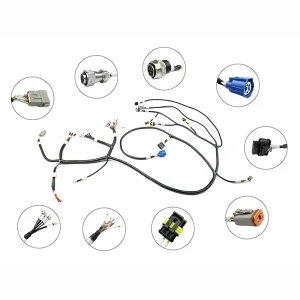
Procurement departments in multinational corporations are shifting from transactional purchasing toward strategic partnership integration. In the context of wire harness assemblies and external connectors, sourcing decisions are based on several key factors:
How automation and local supply chains drive cost-efficiency and agility
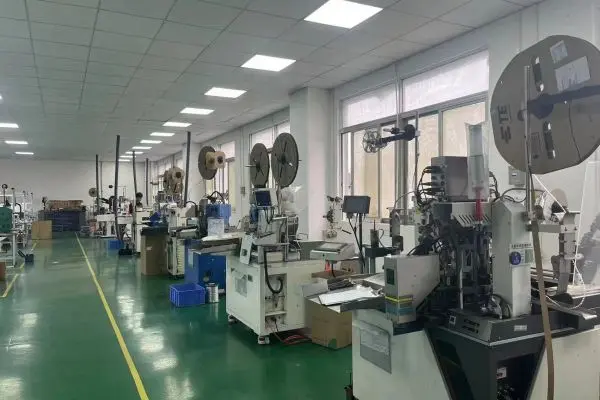
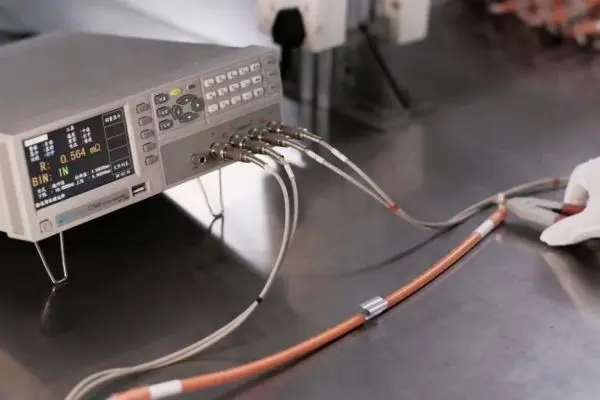
China's wire harness and electronic component manufacturing sector has evolved from labor-intensive assembly to advanced, automated factories. Industry 4.0 centers focus on precision, reproducibility, and supply chain control. By integrating raw copper extrusion, plastic compounding, tooling fabrication, injection molding, automatic crimping, and electrical testing within a single ecosystem, lead times are significantly reduced.
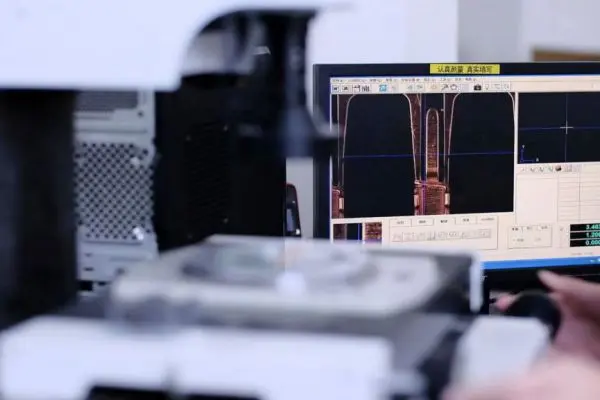
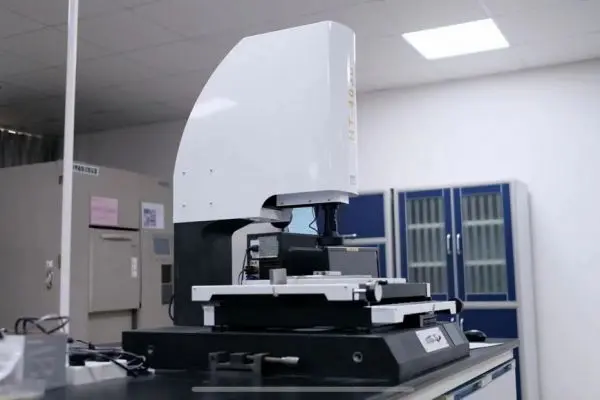
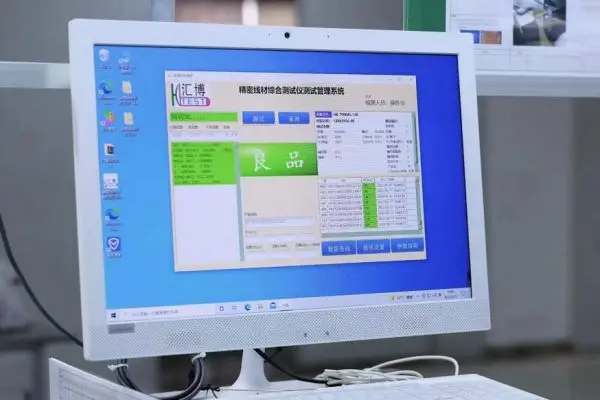
Automated manufacturing systems utilize AI-assisted optical inspection (AOI) to identify micro-defects in crimps and housings. In-line crimp force monitoring (CFM) analyzes force curves during terminal crimping to prevent loose contact junctions. By combining raw material access with automated production, these operations ensure consistent quality while maintaining competitive pricing for global customers.
Tailoring connection systems to meet specific geographical and industrial conditions
In North America, connectors must withstand harsh environmental conditions, from high-wind installations to heavy frost and heat waves. Utility power grids, heavy industrial machinery, and outdoor charging systems rely on heavy-gauge wiring harnesses. These components must meet UL 2231 and UL 2251 safety standards to handle high-voltage charging loops and ensure ground-fault protection.
The European market is defined by strict carbon-neutral targets, driving demand for clean-energy power cables and automotive battery connection systems. European standards place high importance on non-toxic, halogen-free, and flame-retardant (EN 50618) materials. Connection systems for electric vehicle battery packs, high-voltage distribution units, and high-frequency solar inverters must maintain low contact resistance to prevent energy loss and thermal runaways.
Connectors deployed in coastal zones, offshore wind farms, and marine vessels across the Asia-Pacific region require protection against salt-water corrosion and high humidity. In these applications, connector assemblies utilize corrosion-resistant materials, specialized potting compounds, and locking mechanisms that prevent loose connections caused by constant vibration and thermal cycling.
Your Strategic Engineering & Custom Interconnect Partner
Lucky Pioneer is a technology and design-driven interconnect engineering company founded by an experienced engineering team with uncompromised passion on wire and connector industry, with the mission to be one of most innovative customized interconnect enterprises in the world, Lucky Pioneer is engaged in designing, engineering, manufacturing and distributing a wide range of cables, connectors, integrated cable assembly solutions to customers across a wide variety of quality-critical industries from sensor, meter and measurement, medical device, power device, high frequency transformer and inductor, communication device, IoT device to industrial facility, Lucky Pioneer has complete and extensive scalable design solutions and product offerings to customers regardless of size throughout concept design, prototypes, performance validation and mass production.
Our rich expertise and insight into interconnect products and consistent pursue for innovation on cable, connector and assembly earned us a good reputation in the industry and trusted by many technology customers, some start-ups recognize Lucky Pioneer as a strategic business partner since the design stage whose device electricity system relies on Lucky Pioneer best interconnect solutions.
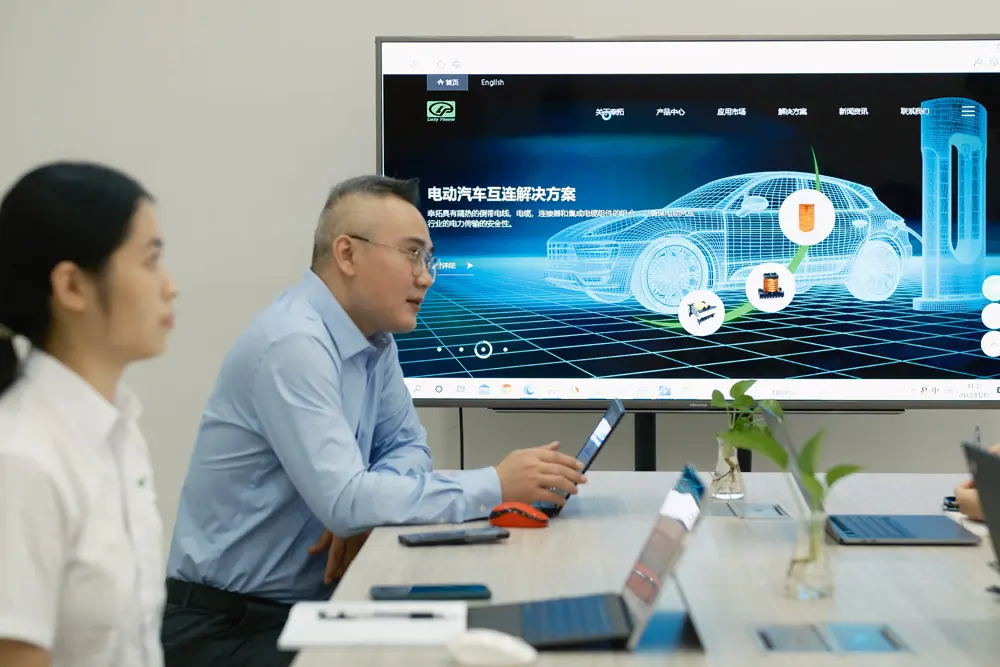
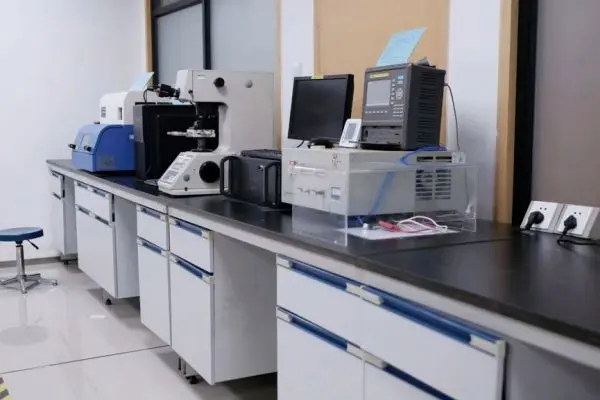
End-to-end design, manufacturing expertise, and quality control systems
Lucky Pioneer has complete and extensive scalable design solutions and product offerings
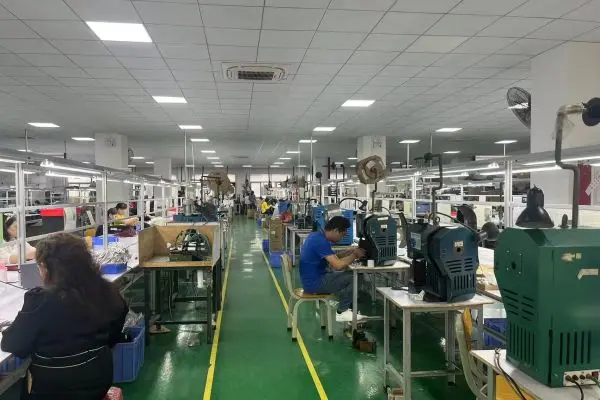
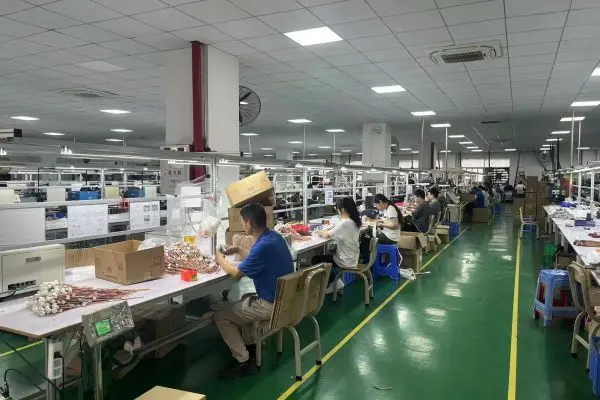
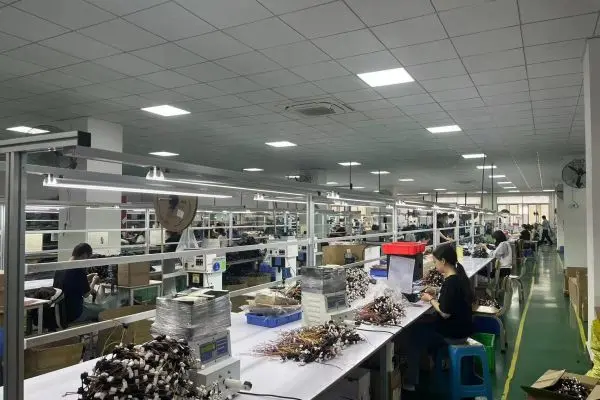
Addressing core engineering queries regarding external connection assemblies
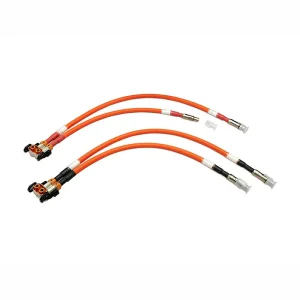
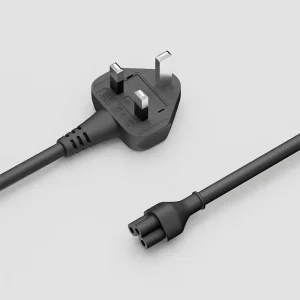
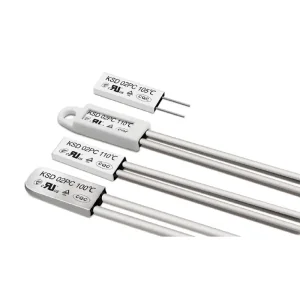
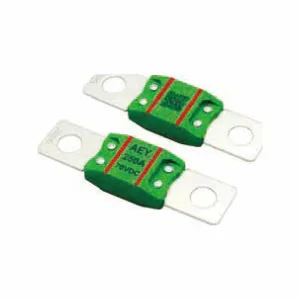
High-voltage, thermal protection, and localized power cord assemblies
 Lucky Pioneer