Explore our foundational range of circuit protection components, multi-layer wires, and specialized electrical connectors designed for high-demanding industries.
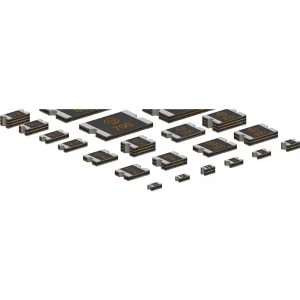
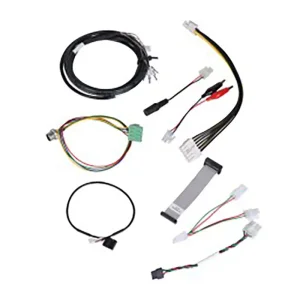
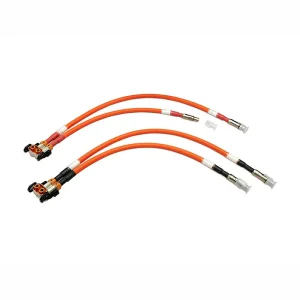
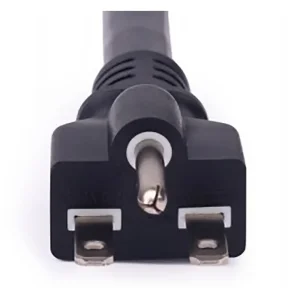
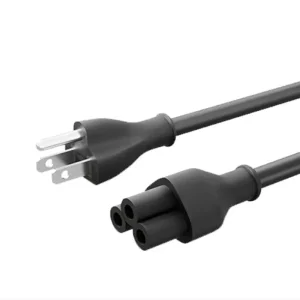
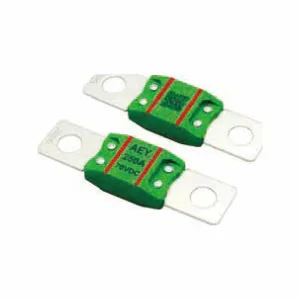
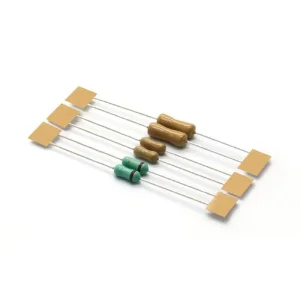
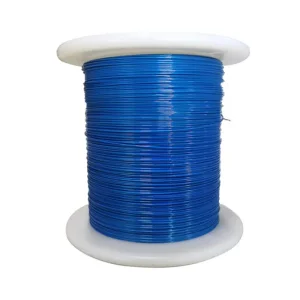
Lucky Pioneer is a technology and design-driven interconnect engineering company founded by an experienced engineering team with uncompromised passion on wire and connector industry. With the mission to be one of the most innovative customized interconnect enterprises in the world, Lucky Pioneer is engaged in designing, engineering, manufacturing, and distributing a wide range of cables, connectors, and integrated cable assembly solutions to customers across a wide variety of quality-critical industries.
Our operational capabilities serve key sectors including medical devices, sensor and measurement instruments, high-voltage power devices, high-frequency transformers and inductors, communication systems, IoT platforms, and heavy industrial facilities. Lucky Pioneer provides scalable, end-to-end solutions spanning concept design, prototype development, performance validation, and high-volume mass production.
“Some start-ups recognize Lucky Pioneer as a strategic business partner since the design stage, relying on our best-in-class interconnect solutions to build their devices' entire electricity systems.”
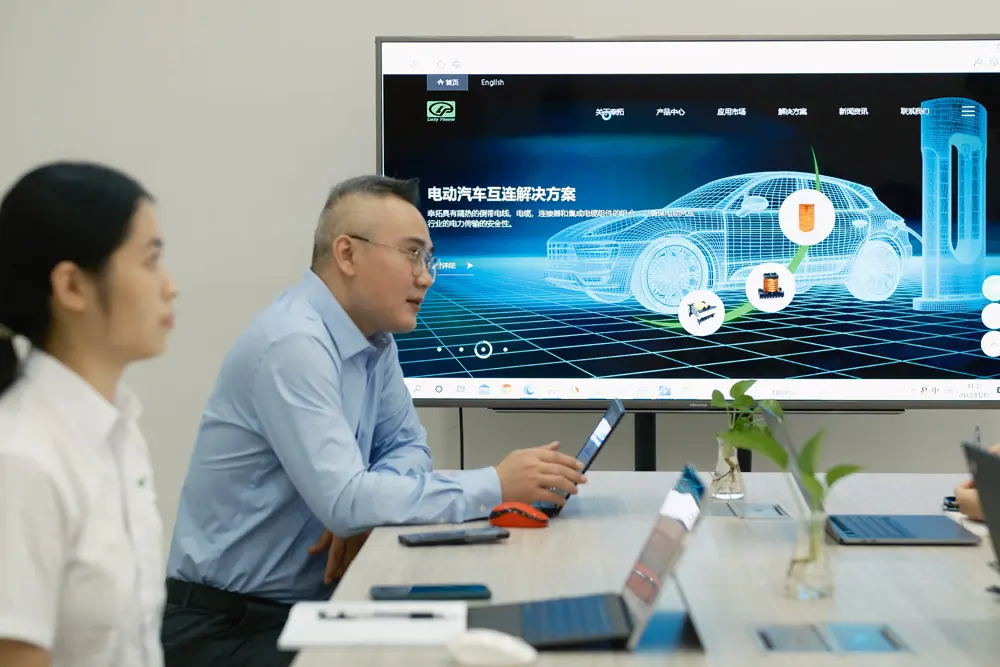
An in-depth analysis of technical compliance, supply chain optimizations, and future trends shaping electric cable and wire connector systems.
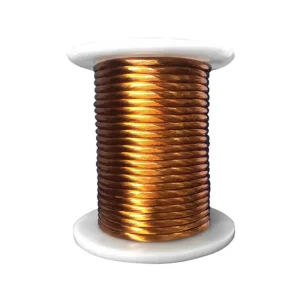
Modern electrical engineering requires components capable of maintaining structural and operational integrity under severe environmental stress. Modern electric cable wire connectors are no longer simple conductive junctions; they are complex systems engineered to minimize electrical resistance, mitigate electromagnetic interference (EMI), and manage thermal dissipation. As applications push toward higher frequencies and voltages—particularly in renewable energy grids and automotive power systems—the design of raw conductors, shielding foils, and terminal geometries requires specialized engineering. Advanced materials like Litz wire and multi-layer insulated winding wires have become critical in high-frequency magnetic applications, allowing designers to minimize eddy current losses and skin effect resistance.
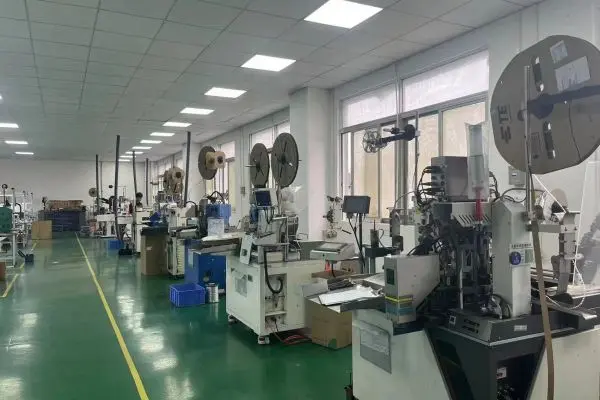
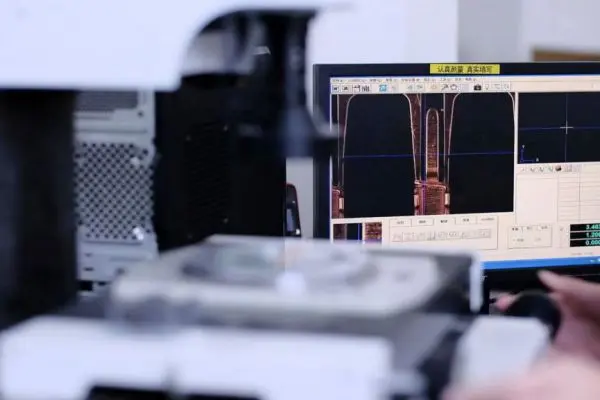
As the primary global hub for electronic manufacturing, China's cable and connector ecosystem offers distinct advantages in cost efficiency, materials integration, and manufacturing scale. Industrial hubs, particularly in the Yangtze and Pearl River Delta regions, bring raw material processors, precision mold tooling shops, plating facilities, and automated test labs into a unified geography. This infrastructure enables rapid turnaround cycles from design approval to mass production. Furthermore, Chinese manufacturers have integrated automated production lines equipped with CCD visual inspection systems, automated terminal crimping machines, and high-speed multi-axis winding systems, reducing manual assembly errors while ensuring unit-to-unit consistency across millions of parts.
For international OEMs and tier-one system integrators, global operations require local execution. Lucky Pioneer bridges this gap with multi-language technical consulting and specialized support. When custom connector assemblies are integrated into critical medical or automotive platforms, close collaboration between local Field Application Engineers (FAEs) and manufacturing units is vital. Furthermore, compliance is non-negotiable. Leading factories adhere to strict international regulatory frameworks:
Global procurement teams must balance three critical vectors: performance reliability, unit cost, and supply continuity. When sourcing high-voltage wiring harnesses for electric vehicles or power distribution lines for server centers, a supplier's engineering capability is verified through strict qualification audits. Key parameters include the supplier's testing capabilities (e.g., thermal shock testing, mechanical pull tests, salt spray resistance), their raw material traceability protocols, and their capacity to scale production during demand surges. Working with a vertically integrated supplier that manages copper drawing, insulation extrusion, terminal stamping, and overmolding under one roof significantly reduces supply chain vulnerability.
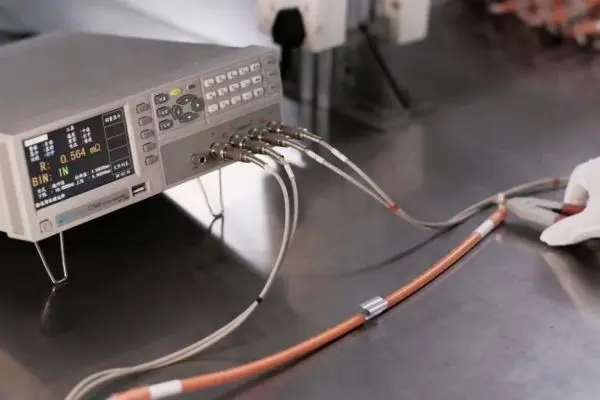
Electrical Testing & QC
16949 Ready Standards
Key Industries Served
Scalable OEM/ODM Design
Developing dependable connections through engineered expertise and quality management protocols.
Deep expertise in cable, connector, and cable assembly design, selecting appropriate raw materials to match application conditions.
Seamless execution from concept drawings and rapid prototypes to production runs and automated packaging.
Serving industrial markets including medical devices, high-frequency telecommunications, and high-voltage new energy vehicles.
Optimizing electrical components and material selection to reduce project time and engineering expenditures.
Utilizing Project Management Professional framework processes to ensure milestone visibility and reliable product launches.
Rigorous quality control using statistical process controls, FMEA, and advanced inspection instruments.
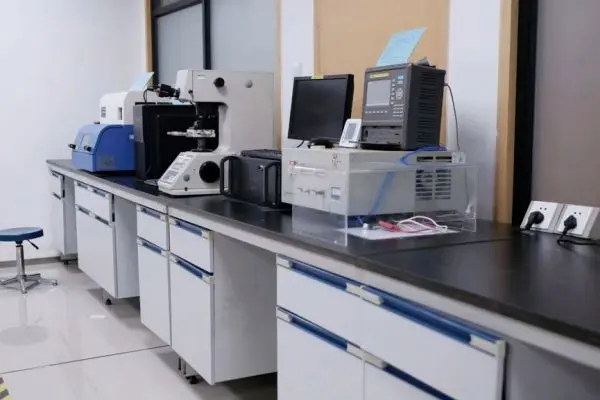
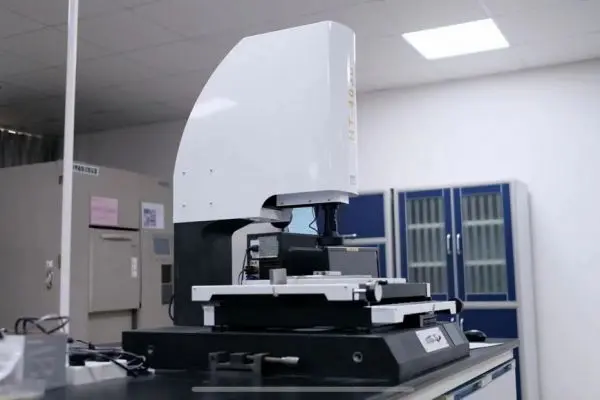
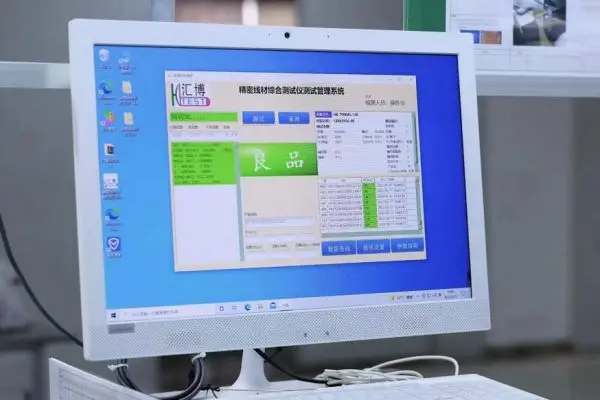
Lucky Pioneer has complete, scalable design solutions and advanced testing systems to validate electrical, mechanical, and thermal performance parameters.
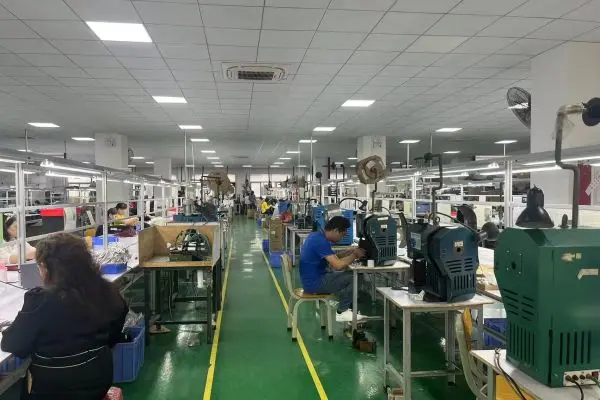
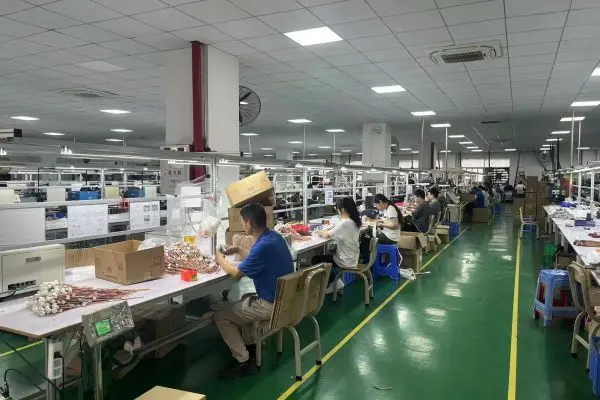
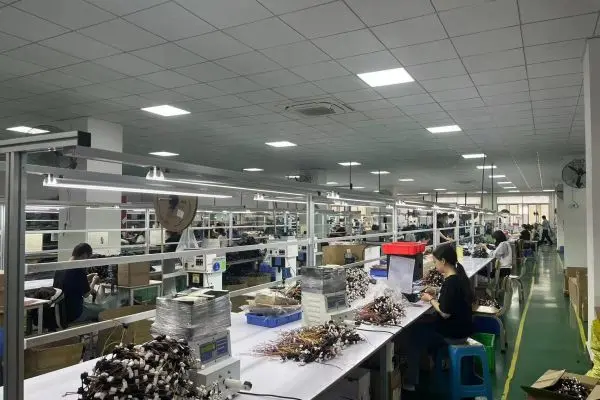
How technical interconnect designs meet the distinct performance demands of industrial, medical, and automotive environments.
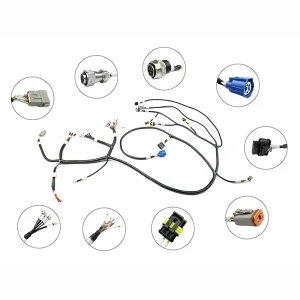
High-voltage battery packs and electric powertrains operate in harsh environments with constant vibration, wide temperature variations, and potential exposure to moisture and chemicals. A high-voltage wiring harness must incorporate robust silicone insulation, orange safety jackets, and high-quality shielding braids to prevent electromagnetic interference (EMI) with low-voltage control systems. Copper busbars and specialized connectors must handle persistent high currents without thermal runaway, utilizing engineered locking mechanisms to prevent accidental decoupling.
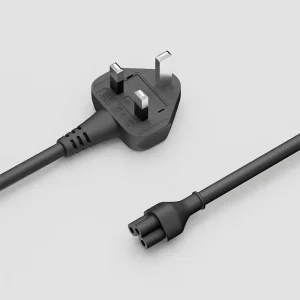
Data centers demand high energy density and low transmission losses. Modern server power cables must support high-current distributions within restricted spaces. Insulated windings, busbars, and specific connectors allow efficient power delivery to multi-phase voltage regulators. Minimizing copper losses and optimizing contact resistance directly reduces operational expenditures in large-scale computation facilities.
Diagnostic equipment, monitors, and surgical tools require flexible, sterilizable, and biocompatible cable assemblies. These lines must deliver micro-volt signals with minimal noise interference. Customized shielding, high-grade engineering polymers (like TPU and PEEK), and specialized connectors ensure reliability and electrical safety during critical patient operations.
Answers to complex questions regarding wire choices, safety compliance, and custom cable designs.
Q1: What is the advantage of using multi-layer insulated winding wires over traditional enamel-insulated wires?
Multi-layer insulated winding wires provide reinforced insulation barriers, allowing them to withstand high dielectric breakdown voltages without requiring additional tape wrapping or sleeving. This design reduces space requirements, optimizes the winding process of high-frequency transformers, and improves thermal efficiency by minimizing the distance between copper windings.
Q2: Why are resettable protectors critical for USB Type-C interface assemblies?
USB Type-C interfaces support high power delivery levels (up to 240W under Power Delivery 3.1). This capability requires protection against over-current and over-temperature occurrences. Resettable protectors (PPTCs) react to temperature and current surges by changing state to a high-resistance mode, isolating downstream systems and restoring conductivity once the fault is cleared.
Q3: How does Lucky Pioneer manage electromagnetic interference (EMI) in high-voltage EV harness designs?
We mitigate electromagnetic interference (EMI) by using composite shielding arrangements, combining tinned-copper braids with aluminum-mylar foils. This configuration blocks both low-frequency and high-frequency emissions. Proper 360-degree termination of shielding braids to the connector metal shell helps maintain ground continuity and protects sensitive control systems.
Q4: What environmental testing standards are applied to ship connection cables?
Marine cables must meet strict environmental criteria, including salt spray resistance testing to prevent conductor corrosion, oil resistance evaluations, and low-smoke halogen-free (LSZH) flame retardant qualifications. These tests ensure the assemblies remain functional and do not emit toxic gases if a fire occurs on board.
Q5: How does IATF 16949 certification influence the manufacturing of automotive wiring harnesses?
IATF 16949 is an international quality standard for the automotive industry. It emphasizes risk-based planning, error-prevention methodologies (such as FMEA and control plans), and strict traceability protocols for raw materials. This framework ensures that potential failures are identified and mitigated before components reach the assembly line.
Q6: What role do Litz wires play in high-frequency transformer applications?
At high frequencies, electrical currents tend to flow along the outer surface of conductors (known as the skin effect) and are influenced by magnetic fields from adjacent wires (the proximity effect). Litz wires utilize multiple individually insulated strands woven in a specific pattern. This design distributes current evenly across the cross-section, reducing resistance and mitigating heat generation at operating frequencies.
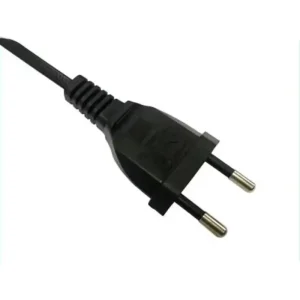
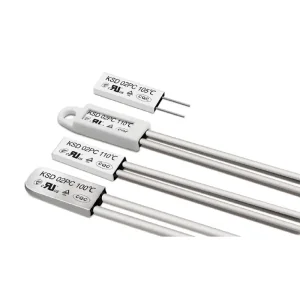
Review our specialized localized types, photovoltaic components, and specialty insulated wires built to global standards.
 Lucky Pioneer