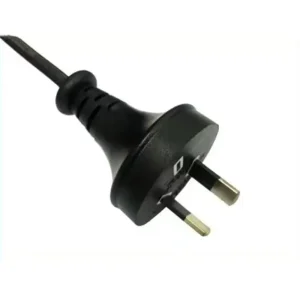
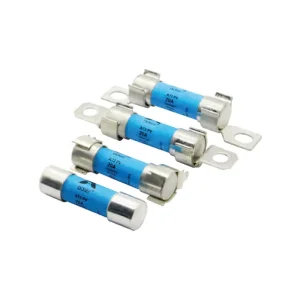
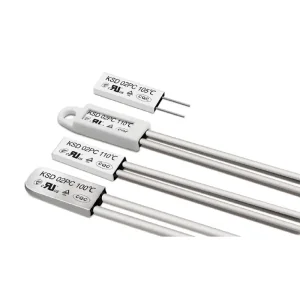
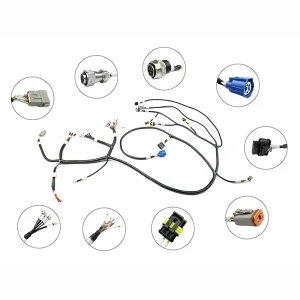
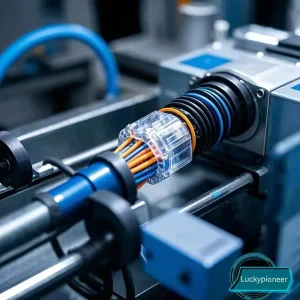
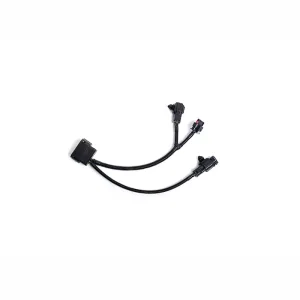
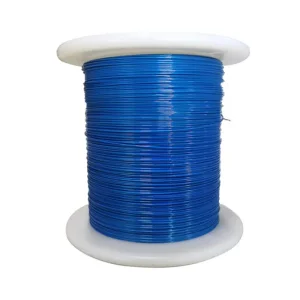
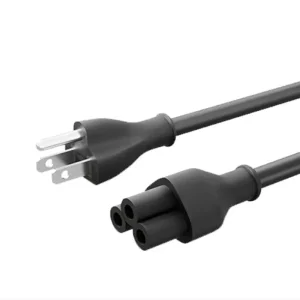
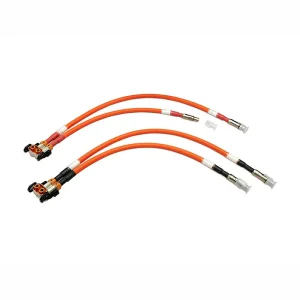
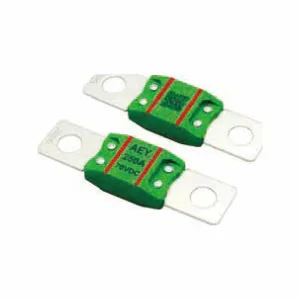
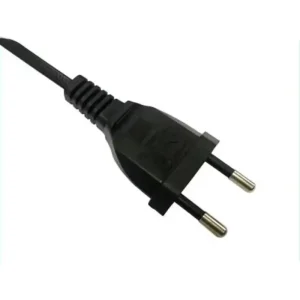
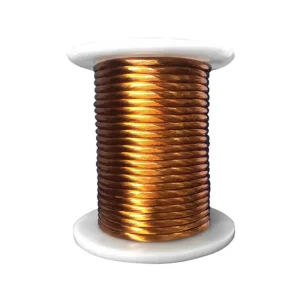
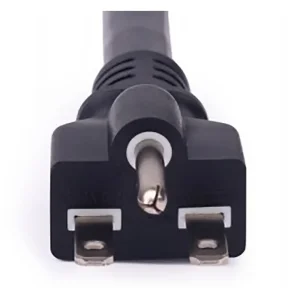
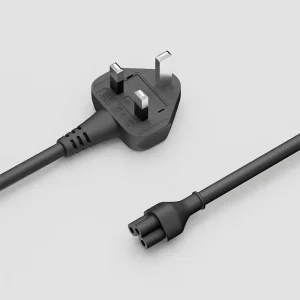
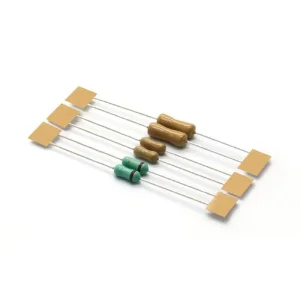
Explore our foundational range of interconnect cables, specialized fuses, and custom harness assemblies designed to withstand rigorous operating conditions.
Lucky Pioneer is a technology and design-driven interconnect engineering company founded by an experienced engineering team with uncompromised passion on wire and connector industry. With the mission to be one of most innovative customized interconnect enterprises in the world, Lucky Pioneer is engaged in designing, engineering, manufacturing and distributing a wide range of cables, connectors, and integrated cable assembly solutions.
We serve customers across a wide variety of quality-critical industries, including sensor systems, meter and measurement technology, medical devices, power devices, high frequency transformers and inductors, communication devices, IoT systems, and industrial facilities. Lucky Pioneer has complete, extensive, and scalable design solutions that guide customers seamlessly through concept design, prototypes, performance validation, and mass production.
Our rich expertise and insight into interconnect products, combined with our consistent pursuit of innovation, has earned us a trusted reputation in the global marketplace. Many start-ups and multinational enterprises recognize Lucky Pioneer as a strategic business partner right from the initial design phase, relying on our interconnect solutions to secure their devices' electrical and signal integrity.
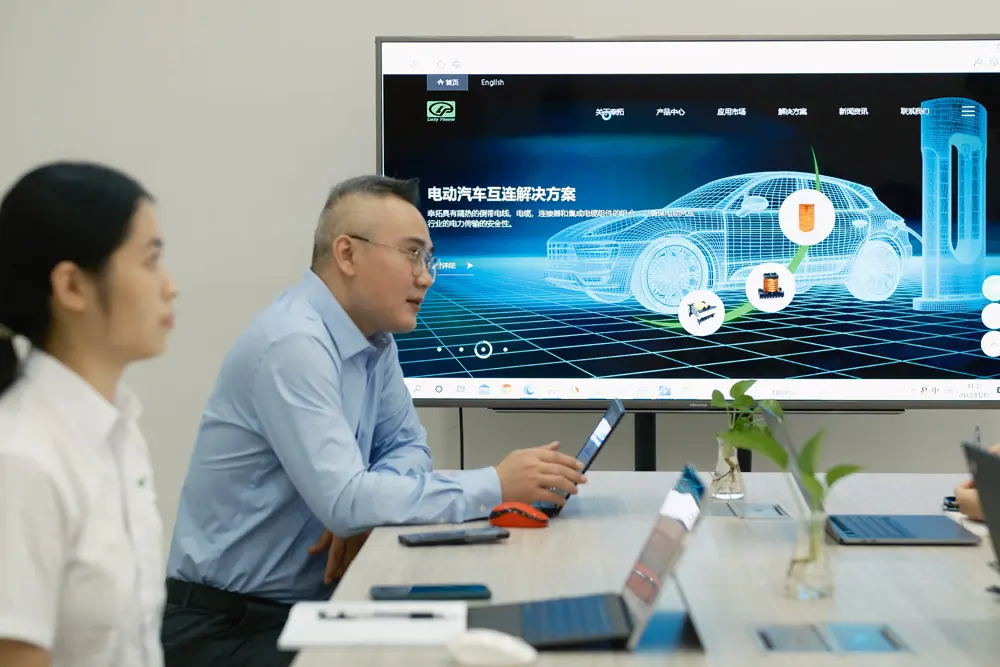
In the age of Industry 4.0, smart medical care, and autonomous driving, sensors act as the crucial sensory organs of machines. However, the integrity of the data collected by these components is directly dependent on the transmission medium. High-quality sensor cables serve as the nervous system, protecting micro-signals from electromagnetic interference, severe physical stress, and chemical deterioration. Choosing the correct sensor cable is no longer merely a procurement task; it is a critical engineering decision that affects system-wide reliability and accuracy.
Modern sensor signals frequently operate in the millivolt (mV) or microampere (µA) range. High-impedance sensors, such as piezoelectric accelerometers or pH meters, are highly susceptible to external noise. Engineers face three primary challenges when designing these cables:
As a global supplier, Lucky Pioneer designs sensor cables tailored to regional industrial demands and localized application environments:
North America (US & Canada): The focus is heavily on advanced factory automation, oil & gas extraction, and biomedical instrumentation. We provide sensor cables with UL/CSA certifications, utilizing fire-retardant Plenum materials (FEP/PFA) that conform to strict regional building and electrical safety codes. These cables are deployed in heavy-duty proximity sensors, pressure transducers, and flow meters operating in harsh outdoor and industrial environments.
Europe (Germany, UK & Nordics): Strong emphasis is placed on precision engineering, machine tooling, and automotive safety systems. Our cables comply with strict CE, RoHS, and REACH directives. Dynamic drag-chain sensor cables are widely used in robotic assembly plants across Germany, supporting millions of continuous bending cycles without conductor fatigue or insulation failure.
Asia-Pacific (Singapore, Australia & Japan): This region demands high-performance solutions for maritime automation, offshore exploration, and cleanroom semiconductor manufacturing. For Australia’s mining sector and Singapore’s maritime terminals, we offer heavy-duty, marine-grade sensor cables featuring UV resistance, saltwater protection, and low-smoke zero-halogen (LSZH) properties.
The sensor cable landscape is evolving to match the speed of microelectronics. Lucky Pioneer’s engineering team actively tracks several key technical trends:
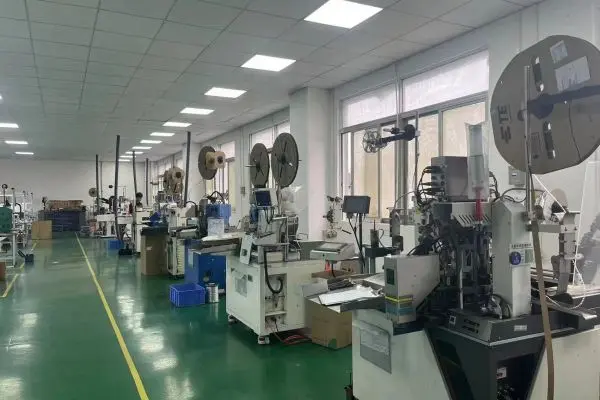
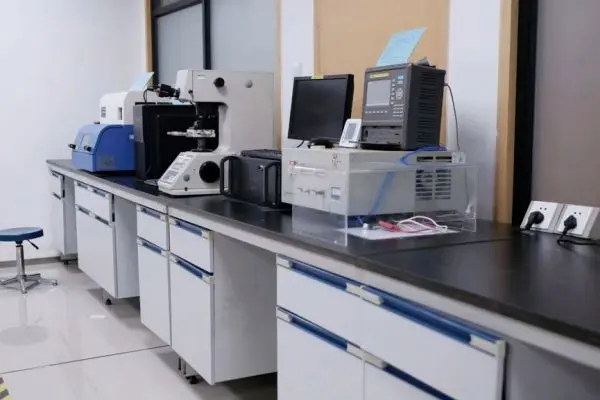
Lucky Pioneer is equipped with state-of-the-art testing equipment, ensuring that every batch of cables satisfies our zero-defect quality standard.
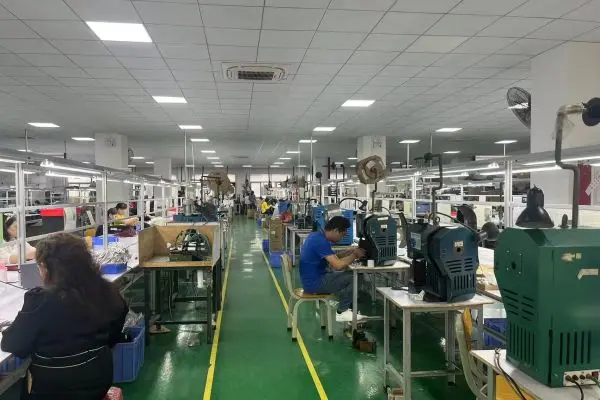
Environmental Testing Chambers
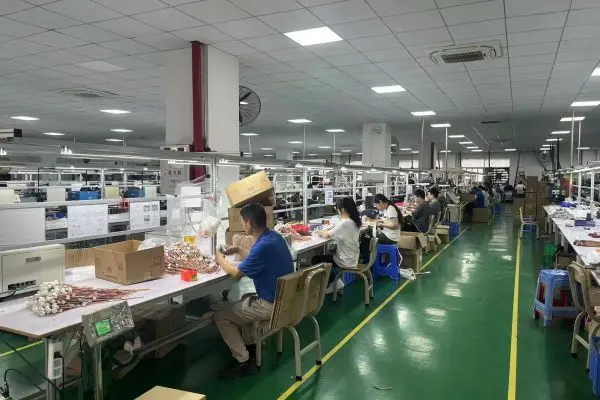
High-Voltage Spark Tester
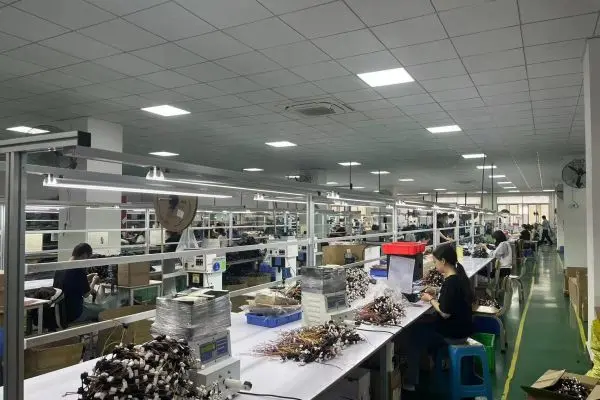
Tensile and Elongation Testing
Conductor Resistance Analyzer
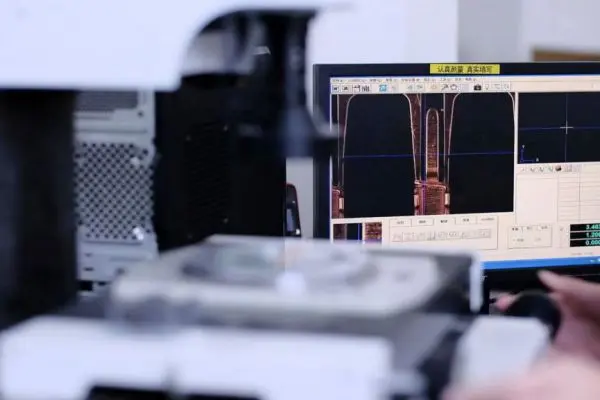
Optical Measuring System
Flex Life Cycling Tester
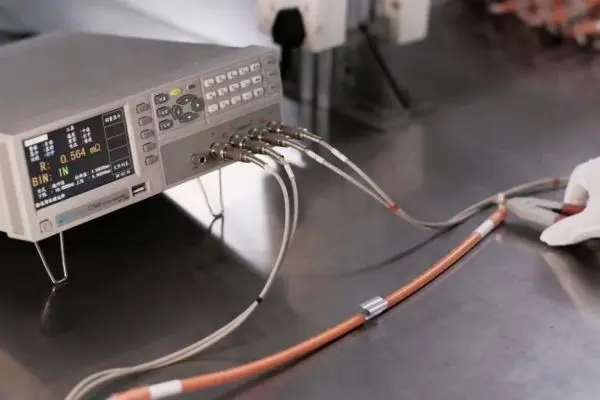
Impedance & Signal Integrity Tester
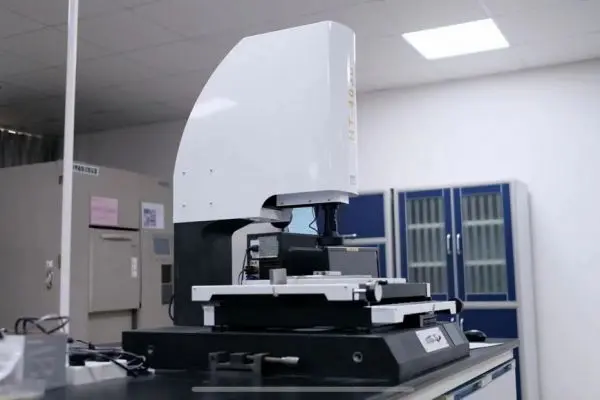
Dielectric Breakdown Analyzer
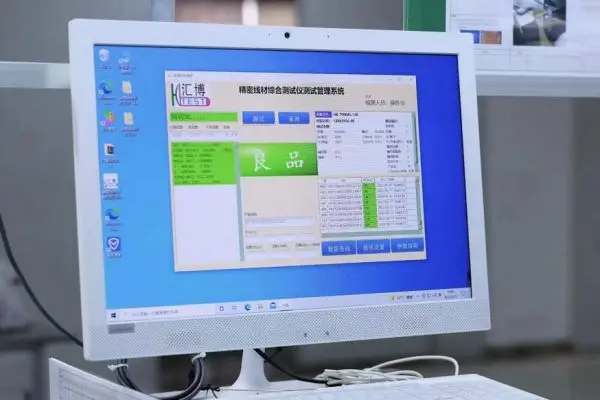
Microscopic Cross-Section Analysis
Lucky Pioneer delivers unique capabilities and end-to-end engineering strengths to ensure maximum customer satisfaction throughout the product life cycle.
In-depth insight into cable, connector, and cable assembly design and manufacturing process.
Integrated manufacturing solutions extending from initial concept design and prototyping to mass production.
Deep understanding of diverse applications, including medical devices, sensor systems, power electronics, telecommunications, and electric vehicles.
Optimized electrical and electronics component selection to reduce design cycles and manufacturing costs.
Structured PMP project management disciplines applied consistently throughout the new product development (NPD) process.
Rigorous quality control processes backed by advanced physical, mechanical, and electrical testing instrumentation.
Prompt support response, structured technical documentation, and multilingual communication channels for global customers.
Our centralized manufacturing facilities in China provide a strategic advantage for customers seeking high reliability, rapid production, and cost efficiency. By managing the supply chain from raw copper drawing to custom overmolding in-house, we reduce dependency on external subcontractors. This vertical integration allows us to:
Global operations require compliance with localized environmental and technical standards. Lucky Pioneer designs and validates its entire product portfolio to meet these requirements:
Technical answers to common questions about selecting and customizing high-performance sensor cables.
Complementary electrical safety components, high-voltage vehicle harnesses, and specialized winding wires manufactured to international standards.
 Lucky Pioneer