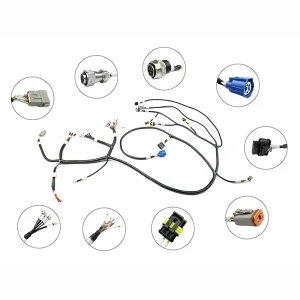
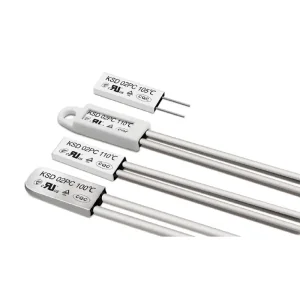
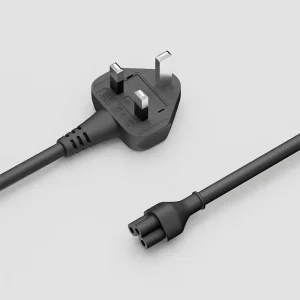
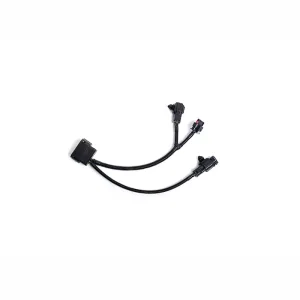
Explore our core engineering offerings built for critical operations across medical, industrial, automotive, and renewable energy sectors.
Lucky Pioneer is a technology and design-driven interconnect engineering company founded by an experienced engineering team with uncompromised passion on wire and connector industry. With the mission to be one of the most innovative customized interconnect enterprises in the world, Lucky Pioneer is engaged in designing, engineering, manufacturing, and distributing a wide range of cables, connectors, and integrated cable assembly solutions to customers across a wide variety of quality-critical industries.
Our solutions cater to critical systems in sensors, meter and measurement systems, medical devices, power devices, high-frequency transformers, inductors, communication hardware, IoT systems, and heavy industrial facilities. Lucky Pioneer provides complete, extensive, and scalable design solutions alongside customized product offerings, supporting customers from original concept design, rapid prototyping, and validation testing, all the way to high-mix or high-volume mass production.
Our rich expertise and technical insight into interconnect systems, coupled with consistent research and development on cable, connector, and assembly designs, have earned us a stellar reputation. We are trusted by industry leaders and technology start-ups alike. Many innovative firms recognize Lucky Pioneer as a strategic business partner right from the design stage, relying heavily on our custom interconnect engineering to secure the electrical integrity of their proprietary hardware.
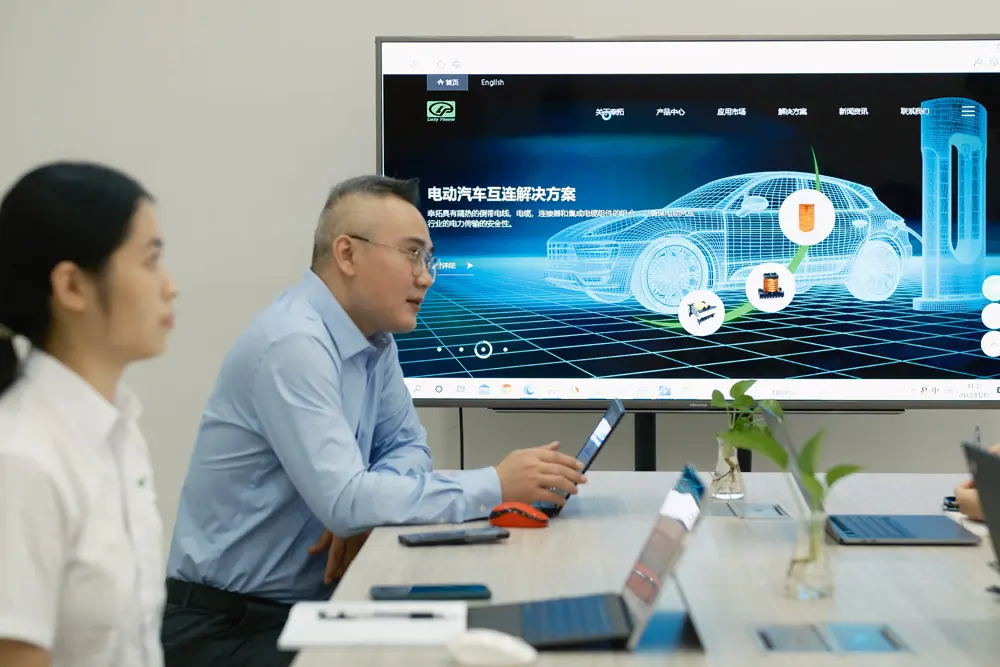
Unlocking information gain: Discover the critical developments shaping the global interconnect sector.
The global wire assembly (wire assy) and cable harness industry is undergoing a profound paradigm shift. As systems become more complex, the demand for raw cabling is giving way to complex, integrated, and smart interconnect systems. Modern applications require manufacturers to operate at the intersection of electrical engineering, material science, and automation.
As aerospace, medical, and consumer devices shrink, assemblies require fine-pitch wire-to-board systems, micro-coaxial solutions, and specialized insulation coatings. This enables higher signal density within constrained spaces without compromising signal path integrity.
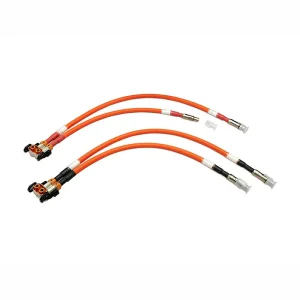
Electric vehicles demand wiring systems that can reliably handle high voltage (up to 1000V and above) and high currents. This demands advanced shielding, thermal management, robust insulation (XLPE, silicone), and integrated safety components such as over-current and over-temperature fuses.
Industrial IoT (IIoT) sensors, automation networks, and telecom systems depend on low-latency data transmissions. Harnesses must incorporate highly shielded differential pairs, precise impedance matching, and high-frequency capabilities to prevent signal degradation and electromagnetic interference (EMI).
Navigating the complex landscape of procurement, compliance, and custom hardware engineering.
In today's interconnected economic model, sourcing wire assemblies is no longer just about searching for the lowest price per unit. Chief Procurement Officers (CPOs) and engineering managers must evaluate total cost of ownership (TCO), supplier engineering capability, compliance certifications, and risk mitigation profiles.
Global electronics markets present dynamic challenges: fluctuating copper prices, evolving environmental legislation, and geopolitical trade structures. Sourcing teams look for key operational indicators when qualifying suppliers. These metrics confirm whether a manufacturer can support the production lifecycle without exposing the client to quality risks, line-down incidents, or regulatory non-compliance.
How China's modern manufacturing facilities leverage automation and supply integration to secure the global economy.
The concept of "China Factory 4.0" goes beyond basic labor-intensive assembly lines. It represents a manufacturing environment driven by industrial automation, deep vertical integration, and digital supply chains. China's advanced industrial hubs offer key strategic advantages that allow manufacturers like Lucky Pioneer to deliver high-precision engineering at competitive rates:
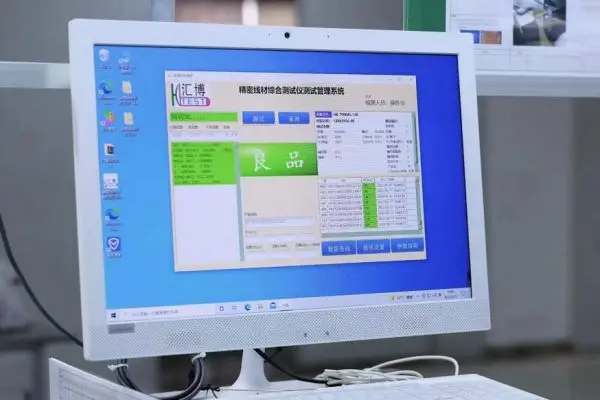
Lucky Pioneer has complete and extensive scalable design solutions and product offerings, backed by world-class testing and validation infrastructure.
Quality and reliability are fundamental to wire assembly performance. Lucky Pioneer operates specialized testing and inspection labs to ensure every wire harness, connector, and cable assembly conforms to strict electrical, mechanical, and environmental requirements before leaving the factory floor. Our testing procedures include insulation resistance verification, pull-force testing, high-pot test methods, and environmental chamber cycling to simulate demanding operating conditions.
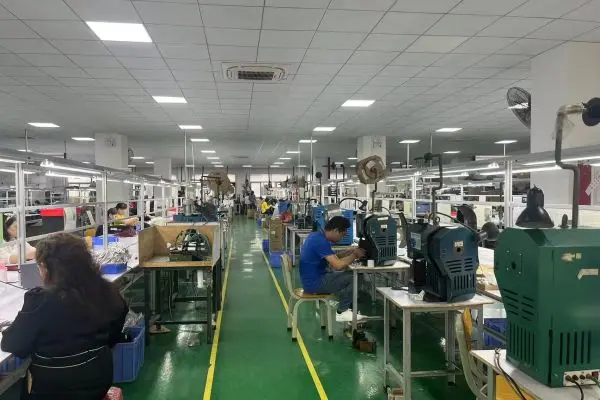
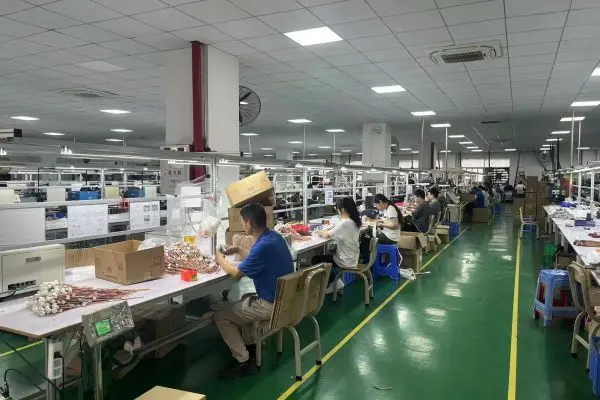
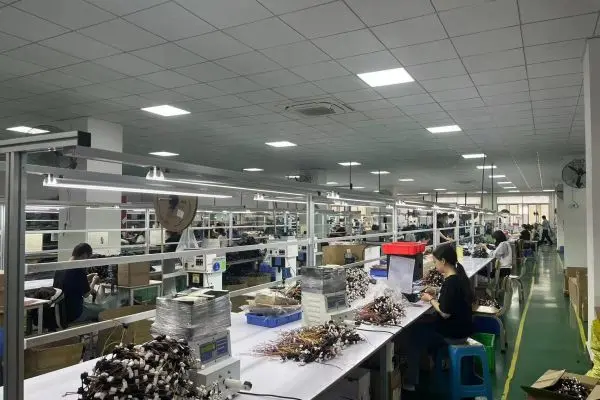
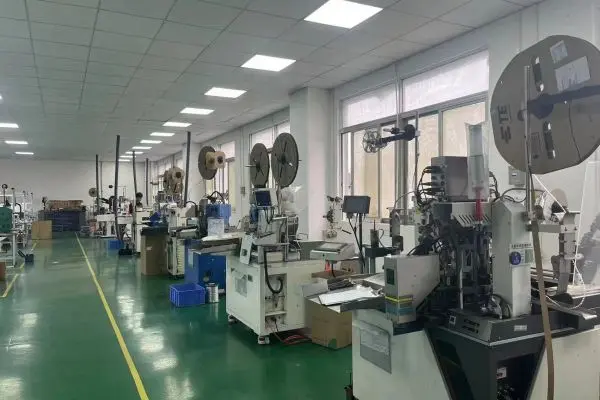
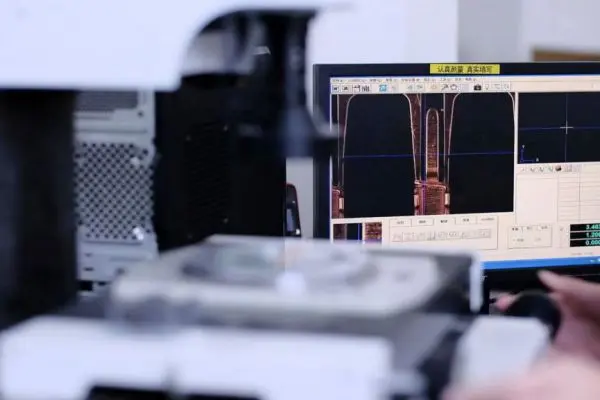
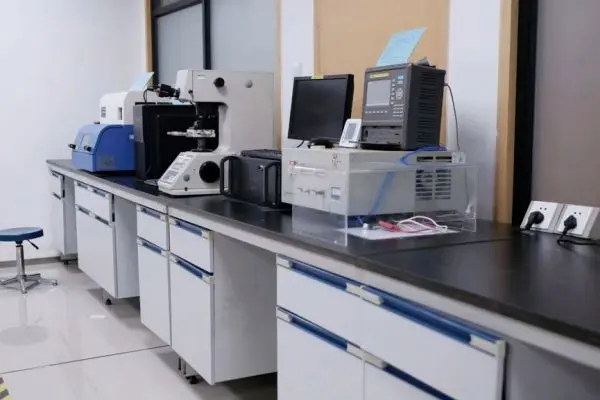
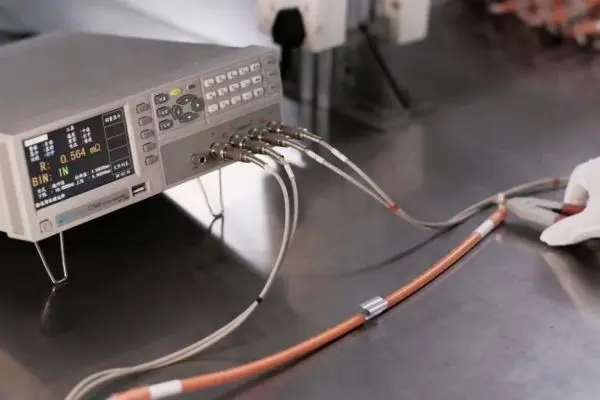
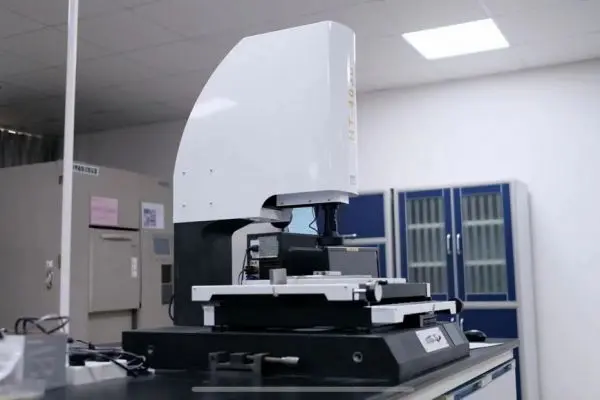
Lucky Pioneer has unique company competencies and strengths to bring the highest satisfaction to our customers from end to end.
In-depth insight into cable, connector, and cable assembly design and manufacturing processes.
Integrated manufacturing solutions from concept design and prototyping to mass production.
Deep understanding of diverse market applications, from medical, sensor, and measurement to electric vehicles.
Electrical and electronics components design and selection aimed at reducing development time and material cost.
PMP project management disciplines applied throughout the new product development lifecycle.
Rigorous quality control utilizing advanced quality management tools (FMEA, SPC, MSA, PPAP).
Prompt customer response channels and multilingual communication capabilities to support global operations.
Adapting high-performance interconnects to meet the geographical and operational demands of specific global industries.
Wire assemblies perform in distinct environments depending on where and how they are deployed. Sourcing requirements differ across regional and application-specific boundaries:
In the United States and Canada, industrial automation demands UL/CSA-certified assemblies that can withstand continuous movement, exposure to oils and synthetic lubricants, and high mechanical stress. The modernization of the energy grid also requires robust, outdoor-rated, weather-resistant assemblies for smart meters and distribution points, ensuring a stable design life under extreme temperature variations.
Europe’s strict environmental laws (including RoHS 3 and REACH) demand lead-free, halogen-free, and non-toxic materials across all assemblies. In Germany, France, and the UK, manufacturers require high-voltage EV wiring harnesses and photovoltaic cable assemblies that meet strict VDE and TÜV safety standards, helping to support long-term green infrastructure projects.
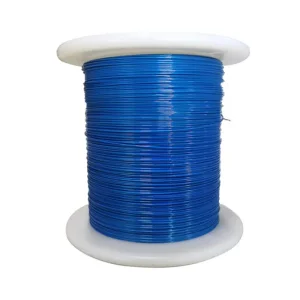
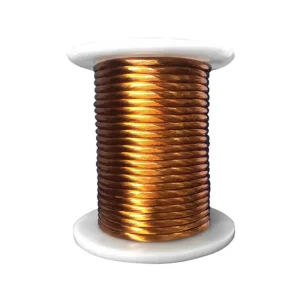
The APAC region, dominated by tech hubs in Japan, South Korea, Singapore, and China, requires ultra-fine wire assemblies, USB Type-C high-speed interfaces, and specialized Litz and USTC wires. These wires are essential for high-frequency switch-mode power supplies, high-density computing servers, and local IoT hardware installations.
Marine environments require connection cables that resist salt spray corrosion, continuous moisture, and physical wear. Shipboard wiring assemblies must use flame-retardant, low-smoke, halogen-free (LSZH) materials to maintain electrical safety on commercial vessels and offshore mining platforms.
Addressing the core questions of engineers and procurement professionals seeking interconnect solutions.
Electrical integrity is defined by wire conductor purity, insulation resistance, low contact resistance at termination points, and effective shielding. Utilizing high-grade oxygen-free copper (OFC) and precise crimp tooling calibrated to meet IPC/WHMA-A-620 standards minimizes signal losses, voltage drops, and heat generation.
Litz wire uses multiple individually insulated strands woven together in a specific pattern. This design mitigates the skin effect and proximity effect, which cause current to flow only on the surface of conductors at high frequencies. This structure reduces AC resistance and thermal losses in high-frequency transformers and inductors.
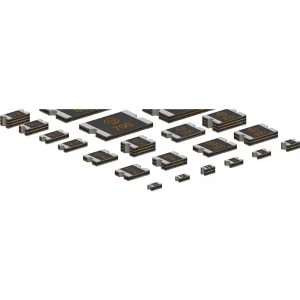
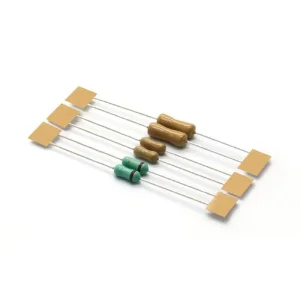
These protection components act as safety links. An over-temperature fuse breaks the circuit if ambient heat or internal resistance exceeds a safe threshold. An over-current fuse protects the system against short circuits or power surges, preventing thermal runaway and protecting expensive downstream hardware from damage.
Automotive ABS and high-voltage EV harnesses require continuous electrical continuity testing, high-voltage isolation tests, pull-force crimp validation, and thermal shock testing. These ensure the assemblies can withstand continuous vehicle vibration, moisture exposure, and temperature changes over the vehicle's operating life.
Our engineering team reviews the client's concept designs, suggests appropriate materials and components, and delivers rapid prototypes for testing. Once validated, we scale production through our structured PMP processes, utilizing advanced testing facilities to ensure every production run meets identical quality standards.
Discover our specialized range of high-reliability safety components, custom power fuses, and high-frequency materials.
 Lucky Pioneer