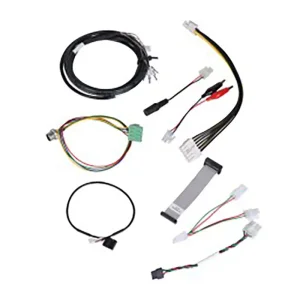
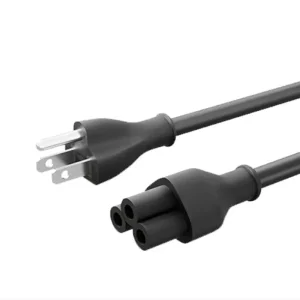
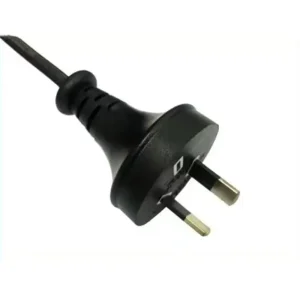
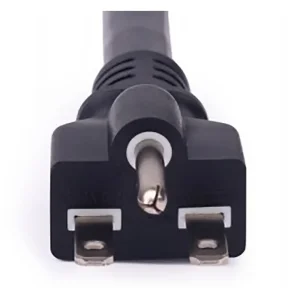
Explore our premium range of industrial wires, high-voltage connectors, fuses, and custom wiring assemblies engineered for high reliability.
Lucky Pioneer is a technology and design-driven interconnect engineering company founded by an experienced engineering team with uncompromised passion on wire and connector industry. With the core mission to be one of most innovative customized interconnect enterprises in the world, Lucky Pioneer is actively engaged in designing, engineering, manufacturing and distributing a wide range of cables, connectors, and integrated cable assembly solutions to customers across a wide variety of quality-critical industries.
Our strategic focus ranges from sensors, meters, measurement systems, and medical devices, to high-frequency power devices, transformers, inductors, communication hardware, IoT devices, and heavy industrial facilities. Lucky Pioneer offers complete and extensive scalable design solutions and product offerings to customers regardless of size, supporting projects throughout concept design, rapid prototyping, rigorous performance validation, and streamlined mass production.
Our rich expertise and deep insight into interconnect products, combined with our consistent pursuit for innovation in cable, connector, and assembly systems, have earned us a stellar reputation in the global industry. We are trusted by numerous technology leaders. Start-ups recognize Lucky Pioneer as a vital strategic business partner from the initial design stages, relying on our best-in-class interconnect solutions to build their device electricity systems.
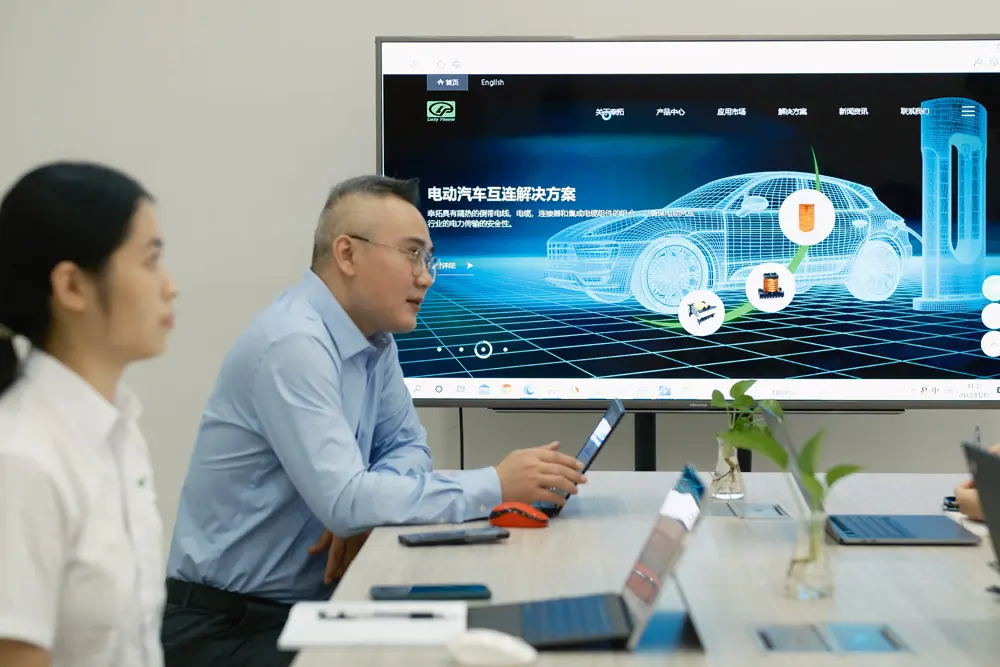
Lucky Pioneer brings unique end-to-end capabilities, helping our clients navigate complex thermal, mechanical, and electrical constraints.
Comprehensive knowledge of cables, connectors, and complex cable assembly design, optimizing for thermal performance and physical resilience.
Seamless manufacturing transition from initial concept design and custom sample fabrication straight to scale-up mass production.
A deep understanding of critical markets, including medical devices, sensor systems, power transformers, telecom, renewable energy, and electric vehicles.
Electrical component design and custom selection optimized to dramatically reduce project lead times and overall bill-of-materials (BOM) costs.
Rigorous Project Management Professional (PMP) methodologies applied throughout the entire new product development (NPD) process.
Advanced quality management systems, comprehensive environmental testing, and material analysis ensuring zero-defect deliverables.
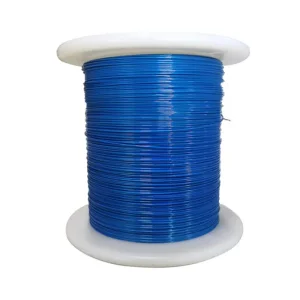
Silicone covered wire, or silicone insulated wire, stands at the pinnacle of high-temperature electrical engineering. Unlike conventional PVC or polyethylene coverings that suffer from thermal degradation, cross-linked silicone elastomers provide exceptional structural stability across a broad temperature scale, from -60°C up to +200°C (and even +250°C for special formulations).
The base polymer of silicone insulation consists of alternating silicon and oxygen atoms (the siloxane bond, -Si-O-Si-), which exhibits significantly higher bond energy than the carbon-carbon backbones found in standard plastics. This chemical architecture accounts for the wire's remarkable resistance to ozone, corona discharge, ultraviolet radiation, and thermal oxidative stress. When combined with ultra-fine tinned copper, silver-plated copper, or nickel-plated conductors, silicone insulation ensures consistent current carrying capacity, unparalleled flexibility, and long-term operating life in demanding dynamic layouts.
Selecting the ideal insulation medium is critical for macro system reliability. Below is a comparative overview highlighting the engineering tradeoffs of the primary wire insulation materials:
| Insulation Type | Temp. Range (°C) | Flexibility (Bending Radius) | Dielectric Strength | Primary Application Scenarios |
|---|---|---|---|---|
| Silicone Rubber | -60 to +200/250 | Excellent (Low bending radius) | 20 kV/mm | Medical devices, EV harnesses, High-frequency transformers |
| PTFE / FEP | -200 to +260 | Stiff / Semi-rigid | 22-25 kV/mm | Aerospace, RF systems, aggressive chemical environments |
| PVC | -40 to +105 | Moderate (Stiffens at low temp) | 15 kV/mm | General electronics, domestic appliances, fixed wiring |
As industrial automation and high-density electrification speed up, procurement executives and global supply chain managers are shifting their qualification frameworks. Buying decisions are no longer guided solely by unit cost. High-stakes industries now look for manufacturers who demonstrate robust engineering support, supply chain transparency, and extensive testing capacity.
To successfully qualify a silicone insulated wire manufacturer, global sourcing teams prioritize four key dimensions:
Lucky Pioneer's high-temperature silicone covered wires and integrated wiring harnesses are engineered for high performance across demanding application scenarios:
With operating voltages in modern battery systems pushing past 800V, silicone's combination of high dielectric strength and pliability makes it the ideal insulator for EV high-voltage distribution lines, battery pack links, and internal motor windings where space is at a premium and thermal loads are high.
Silicone is naturally biocompatible, making it suitable for clinical environments. Our specialized silicone formulations withstand repeated autoclave sterilization cycles, exposure to disinfectants, and mechanical twisting, ensuring uninterrupted performance in medical probes, monitoring equipment, and surgical lasers.
High-frequency transformers and inductors generate localized eddy current losses and high thermal loads. Utilizing single-layer or multi-layer silicone covered winding wires allows designers to optimize winding layouts, manage thermal paths, and prevent inter-turn short circuits in compact switch-mode power supplies.
In industrial manufacturing plants, automated robotic arms, furnaces, and sensors are constantly exposed to flying sparks, abrasive chemicals, and relentless mechanical cycles. Silicone's elastomeric nature acts as a dampener, absorbing vibration and mechanical stress while retaining its electrical integrity.
Lucky Pioneer provides complete and scalable design solutions, backed by rigorous testing facilities to ensure our products exceed international standards.
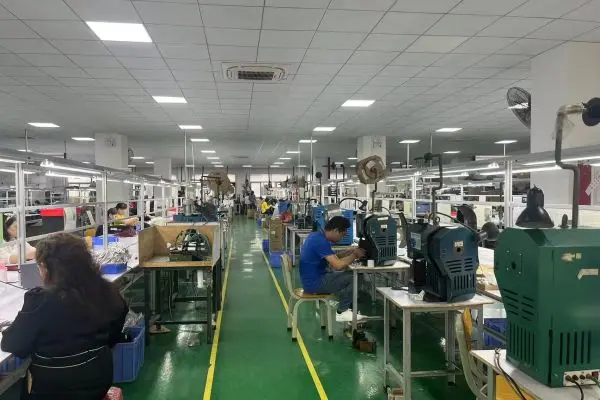
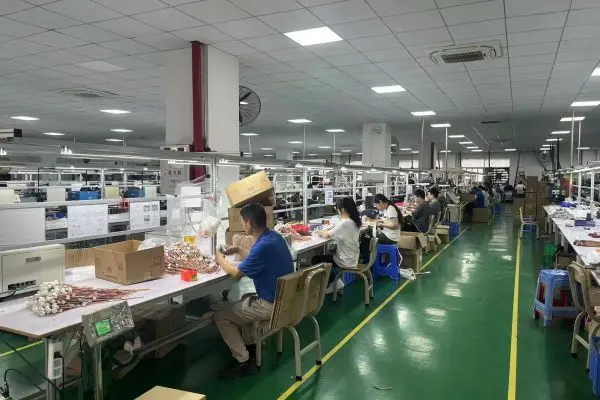
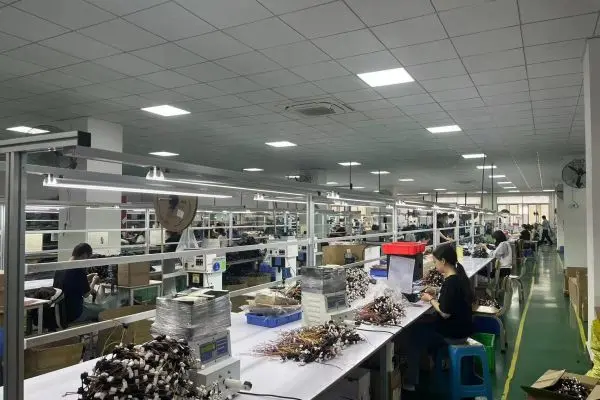
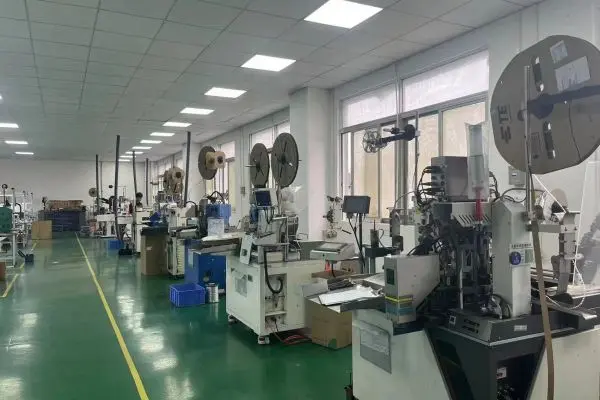
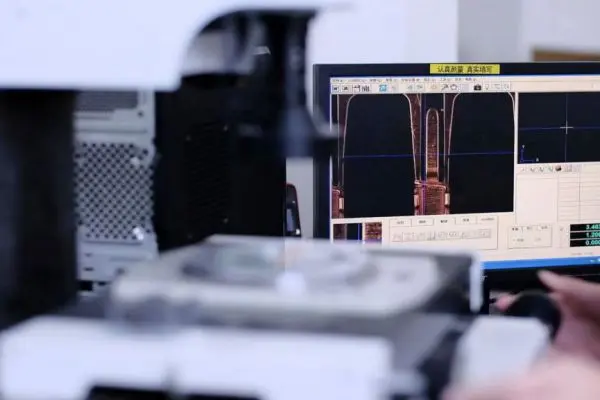
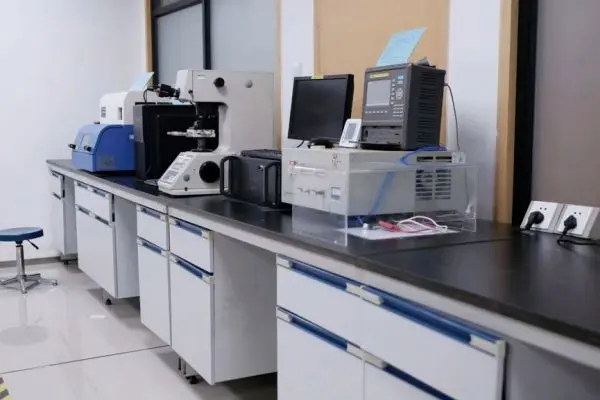
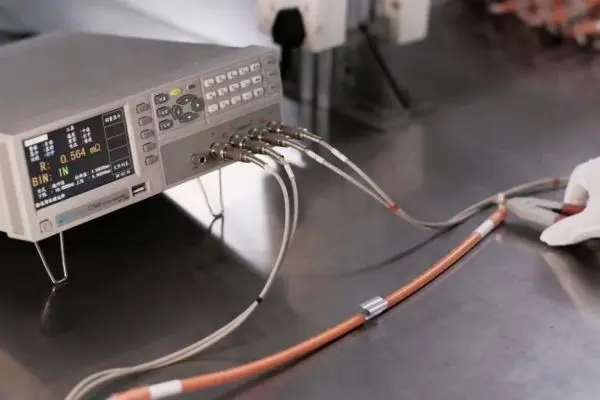
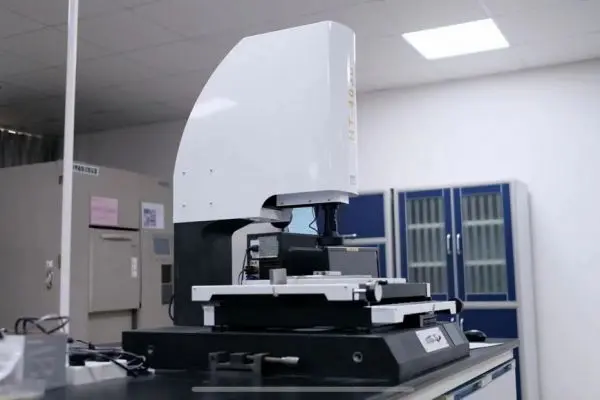
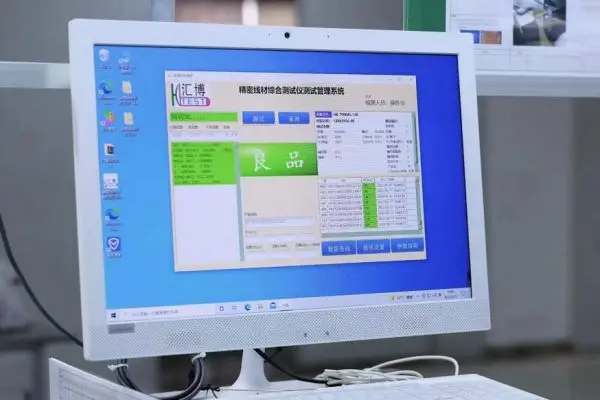
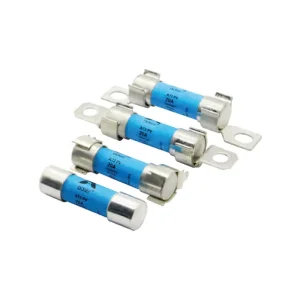
Navigating diverse electrical compliance landscapes is a key operational challenge for multinational engineering firms. At Lucky Pioneer, we ensure that every silicone covered wire shipment, integrated wiring harness, and protection fuse satisfies the strict safety and performance specifications of the destination country.
Our materials and production processes comply with global certification standards, including UL (Underwriters Laboratories) for North America, CE and VDE for the European Union, PSE for Japan, KC for South Korea, and SAA for Australia.
Beyond regulatory compliance, Lucky Pioneer offers localized technical support. Our multi-language engineering teams assist customers during their design validation stages. By providing technical data sheets, 3D modeling files, and test reports early on, we help engineers integrate custom interconnect systems without the risk of project delay or compliance rejection at the assembly stage.
The trajectory of silicone wire engineering is driven by the demands of miniaturization, sustainability, and ultra-high frequency operations. Traditional thick-walled silicone wires, while flexible, are limited in density-critical electronics such as medical sensors and high-performance server power systems.
Lucky Pioneer's engineering department is actively developing solutions to meet these requirements:
By utilizing high-consistency silicone rubbers (HCR) processed on precise, laser-controlled extrusion lines, we are reducing insulation wall thicknesses by up to 30% without compromising dielectric breakdown safety. This thin-wall architecture enables compact winding layouts in high-frequency electric vehicle transformers.
To combine the flexibility and thermal range of silicone with the superior chemical and oil resistance of fluoropolymers (PTFE/FEP), we are developing co-extruded and blended polymer options. These hybrids prevent outer jacket degradation in automotive systems exposed to aggressive fluids and lubricants.
As part of our commitment to sustainable electronics manufacturing, we are optimizing vulcanization processes to reduce volatile organic compounds (VOCs) and adopting bio-based silicone polymers. This helps OEMs minimize their scope 3 carbon footprint while maintaining high electrical reliability.
Frequently asked technical questions regarding the performance, selection, and sourcing of silicone covered wires.
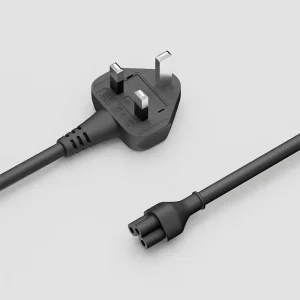
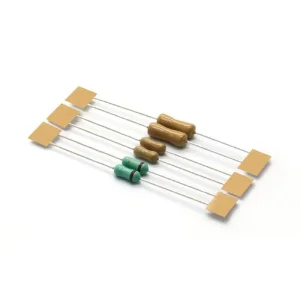
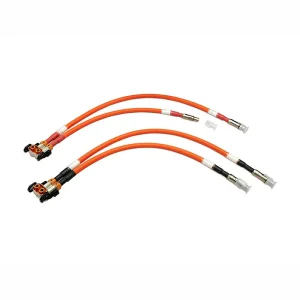
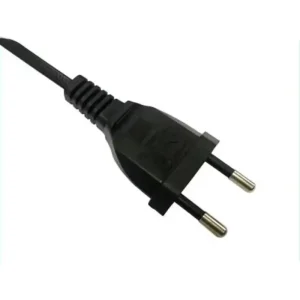
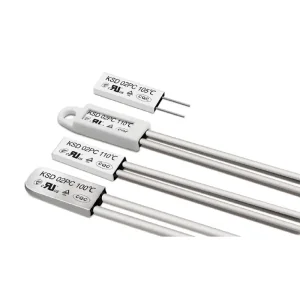
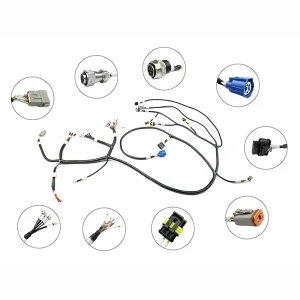
Complete your interconnect design with our high-voltage wiring harnesses, appliance cables, resettable protectors, and regional power cables.
 Lucky Pioneer