In the world of electrical wiring, "Triple Insulated Wire" stands out for its innovative design. This type of wire offers enhanced safety and performance. Experts in the field recognize its immense benefits. Dr. Emily Turner, an electrical engineer, once stated, "Triple Insulated Wire minimizes the risk of shorts, making it a safer option for various applications."
The benefits of Triple Insulated Wire extend beyond safety. It is lighter and more flexible than traditional wires. This flexibility allows for easier installation in complicated spaces. Additionally, its construction reduces energy loss significantly. However, some buyers may find the initial cost to be higher than other options. This can lead to hesitation, despite the long-term savings provided.
With various applications in industries, including renewable energy, Triple Insulated Wire is becoming a preferred choice. Its ability to withstand harsh conditions sets it apart. Still, buyers should weigh the costs and benefits carefully. Understanding these nuances can help in making informed decisions.
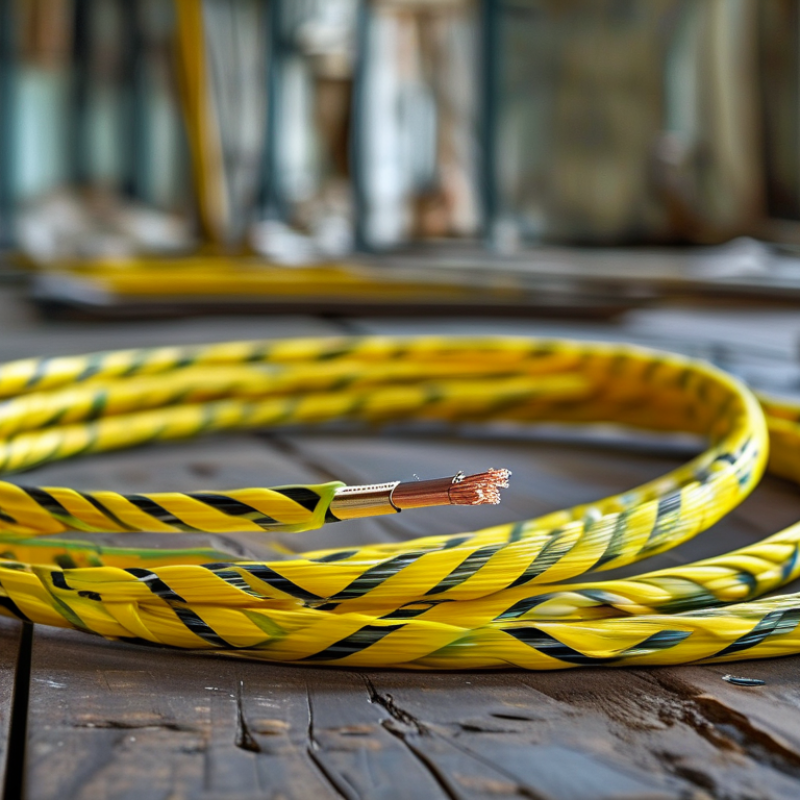
Triple insulated wire is a specialized type of electrical wire designed for enhanced safety and performance. It consists of three layers of insulation, which provide excellent protection against electrical shock and short circuits. This design is particularly beneficial for applications in high-voltage environments, as it reduces the risk of failure.
The multiple insulation layers also improve the wire's durability. They can withstand extreme temperatures and harsh conditions. This makes triple insulated wire suitable for various industries. It is often used in renewable energy systems like solar panels. Additionally, it can be found in electric vehicles, where reliability is crucial.
Buyers might wonder about the cost implications. While triple insulated wire can be more expensive than standard options, the long-term benefits often outweigh the initial investment. Reduced maintenance and increased safety can lead to significant savings. There are still considerations to make. Not all applications require such heavy-duty wiring. Evaluating specific needs is essential before making a purchase decision.
Triple insulated wire (TIW) is a remarkable advancement in electrical wiring technology. It features three layers of insulation, which provide exceptional electrical performance and safety. The construction typically includes an inner conductive core, surrounded by a layer of polymer insulation, and two additional dielectric layers. This design significantly reduces the risk of electrical shorts and enhances durability.
Reports indicate that TIW can minimize the risk of dielectric breakdown, which can occur under extreme conditions. By enhancing thermal and electric properties, it contributes to energy efficiency. Manufacturers often highlight that TIW is suitable for applications in renewable energy systems, such as wind and solar, where harsh environmental conditions are common.
Additionally, despite its advantages, some professionals express concerns about the production costs associated with TIW. The materials and manufacturing processes can elevate prices compared to standard wiring options. Therefore, buyers should weigh the long-term benefits against initial expenditures. Opting for triple insulated wire requires careful consideration of project requirements and budget constraints.
Triple insulated wire is gaining popularity in various electrical applications. It provides robust insulation, ensuring safety and efficiency in installations. One of the key advantages is its ability to minimize the risk of electrical shock. This wire keeps users safe from potential hazards due to its multiple layers of insulation.
Using triple insulated wire can lead to significant savings in space. It allows for a more compact design in electrical systems. This is especially beneficial in applications where space is limited, like in portable devices. This wire reduces the need for additional protective measures, making installations simpler and neater.
**Tips:** Always check for the appropriate specifications based on your project. Not all triple insulated wires are the same. Consider the environment where the wire will be used, as some may not perform well in extreme conditions. Aim for quality over quantity; investing in reliable wire can prevent costly repairs later.
When comparing triple insulated wire to traditional insulated wire types, several factors stand out. Traditional wires often use a single or dual layer of insulation. This design makes them more prone to wear and damage over time. In contrast, triple insulated wire offers an extra layer of protection. The added insulation can withstand higher temperatures and resist environmental factors better than its traditional counterparts.
Additionally, the performance advantages of triple insulated wire are significant. It reduces energy loss and enhances efficiency in electrical applications. Moreover, the wire's construction means less risk of exposure to electric shock. This feature appeals to safety-conscious consumers and professionals alike. Traditional wires may not provide the same level of protection, which can lead to potential hazards.
While triple insulated wire is not without its challenges, the benefits often outweigh them. Its higher cost may deter some buyers, but it's important to consider long-term savings. These wires can reduce maintenance and replacement costs over time. Additionally, installation might require more knowledge due to their specialized nature. Overall, choosing the right wire depends on understanding these differences and weighing your specific needs against the benefits of triple insulation.
Triple Insulated Wire (TIW) offers significant environmental and safety benefits, making it an appealing choice for modern electrical applications. Its design incorporates three layers of insulation, reducing the risk of electrical shock. This feature is crucial in various settings, including outdoor installations and construction sites. Reports highlight that the use of TIW can decrease electrical hazards by up to 50%, underscoring its importance in enhancing worker safety.
When considering the environmental impact, TIW is often made from recyclable materials. Studies suggest that utilizing such materials can reduce waste in landfills by about 30%. This aligns with the growing demand for sustainable practices in the electrical industry. Adopting TIW not only protects workers but also contributes to a greener planet. Buyers looking for eco-friendly solutions can find comfort in this dual benefit.
Here’s a tip: Always consult certified professionals when integrating new wiring systems into your projects. They can ensure compliance with safety standards and environmental regulations. Another point to remember is to assess the overall installation costs versus the long-term savings of using TIW. While upfront costs may be higher, a reduction in potential accidents can lead to significant savings over time. Prioritizing safety and sustainability benefits both the individual and the collective.
: Triple insulated wire is a type of electrical wire with three insulation layers for better safety and performance.
Three insulation layers protect against electrical shock and short circuits, particularly in high-voltage situations.
It is commonly used in renewable energy systems like solar panels and in electric vehicles where reliability is crucial.
Yes, it usually costs more than standard wire, but long-term benefits may justify the initial expense.
Prospective buyers should evaluate if they really need such heavy-duty wiring for their specific applications.
Traditional wires have fewer insulation layers, making them less durable and more prone to wear over time.
It reduces energy loss and enhances electrical performance due to its enhanced thermal and electric properties.
Its higher cost and specialized installation requirements can be challenges for some users to consider.
Yes, its construction allows it to endure high temperatures and harsh environments better than traditional wires.
Using less protected wires may increase the risk of electrical shorts, failures, and safety hazards.
Triple Insulated Wire is a specialized type of wire designed for enhanced electrical insulation and safety in various applications. Its construction involves three layers of insulation, which provide superior dielectric protection compared to traditional wire types. This unique design allows for reduced wire size and improved thermal performance, making it ideal for compact and energy-efficient electronics.
The advantages of using Triple Insulated Wire are significant. It not only offers superior electrical safety but also contributes to a lower environmental impact due to its efficient use of materials and reduced resource consumption during production. Additionally, its enhanced durability ensures a longer lifespan, resulting in cost savings for buyers. Overall, Triple Insulated Wire presents an advanced solution for modern electrical challenges, combining safety, efficiency, and sustainability.

Lucky Pioneer