In the world of electrical components, "Single Insulated Wire" plays a critical role. Industry expert John Harris, a veteran electrical engineer, once stated, “Choosing the right wire is essential for safety and efficiency.” Understanding this type of wire can significantly impact your electrical projects.
Single Insulated Wire refers to conductors covered with a single insulation layer. This insulation provides necessary protection against environmental factors. However, not all single insulated wires are created equal. Factors such as voltage rating, temperature resistance, and material should influence your selection.
Many users overlook the important details when choosing single insulated wire. One common mistake is ignoring the wire's specific application needs. It's crucial to consider both the short-term needs and long-term performance. A well-informed choice can enhance safety and longevity in electrical systems.
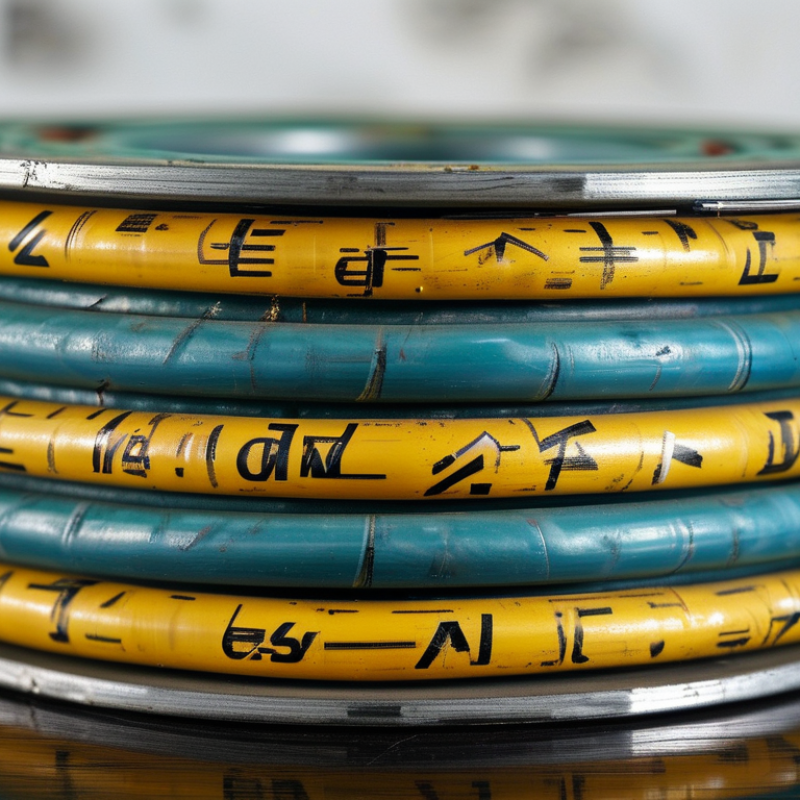
Single insulated wire is an essential component in various electrical systems. It consists of a single conductor covered by an insulating layer that prevents electrical current from escaping. This wire is used in applications ranging from household wiring to industrial setups. According to market analysis from the International Wire & Cable Association, the demand for insulated wire is projected to grow significantly, driven by advancements in technology and increased electrical consumption.
Choosing the right single insulated wire requires understanding its application and environmental conditions. For instance, consider the temperature rating and voltage capacity. PVC insulation is common due to its flexibility and resistance to moisture, while XLPE offers higher thermal performance. A report by the Electrical Safety Foundation International highlights that proper insulation is crucial for reducing electrical hazards and enhancing the system's longevity.
When selecting wire, reflect on these key aspects. Ensure that the wire gauge suits the current load. Additionally, check for compliance with industry standards. Using the right wire can prevent overheating and system failures. Take the time to evaluate each option carefully.
| Characteristic | Description | Applications | Wire Gauge | Insulation Type |
|---|---|---|---|---|
| Conductivity | High electrical conductivity for efficient power transmission. | Residential electrical systems, automotive wiring, and more. | AWG 10 to AWG 20 | PVC, XLPE |
| Temperature Rating | Designed to withstand high operating temperatures. | Industrial machinery, appliance wiring. | AWG 12 to AWG 16 | Thermoplastic, Thermoset |
| Flexibility | Flexible construction for ease of installation. | Automotive applications, portable devices. | AWG 14 to AWG 18 | Rubber, Silicone |
| Durability | Resistant to abrasion and environmental factors. | Construction sites, outdoor installations. | AWG 10 to AWG 12 | Polyethylene, Nylon |
When selecting single insulated wire, understanding the key materials used in its manufacturing is crucial. Polyvinyl chloride (PVC) and polyethylene (PE) are among the most common insulators. PVC is favored for its excellent electrical properties and cost-effectiveness. In contrast, polyethylene offers better thermal stability, making it suitable for higher temperature applications. According to industry reports, the market for insulated wire made with these materials is projected to grow by 4.5% annually over the next five years.
Additionally, materials like Teflon and rubber are also significant in manufacturing insulated wires. Teflon, known for its high resistance to heat and chemicals, is ideal for specialized applications. Rubber provides flexibility and a good degree of abrasion resistance, which can be essential in industrial environments. However, the choice of material must also consider factors such as environmental exposure and mechanical stress. A report from the International Wire and Cable Symposium indicates that improper material selection can lead to premature wire failure, emphasizing the importance of informed choices.
Choosing the right insulated wire is not purely a technical decision. It requires a blend of knowledge about the materials and the specific application context. Each material brings its own advantages and drawbacks. For instance, while PVC is economical, it may not perform well in extreme conditions. This complexity showcases the need for careful reflection on material choices. The decision should align with both performance requirements and cost considerations.
Understanding the electrical ratings of single insulated wire is crucial for anyone working with wiring applications. These ratings indicate the wire's ability to carry current without overheating. The voltage rating, for example, defines the maximum voltage the wire can safely handle. It is important to select a wire that can withstand the voltage in your application to prevent electrical fires and equipment damage.
Amperage is another key factor. Each wire type has a specific ampacity. This defines how much current it can carry safely. Overloading a wire can lead to failures. Always check the amp rating against your system's requirements. This simple step can save you from costly repairs and safety hazards.
When choosing single insulated wire, consider insulation type. Different materials offer varied resistance to heat, moisture, and chemicals. PVC, for instance, is common but might not suit all environments. Think about where the wire will be used. Will it face extreme temperatures or humidity?
Evaluating wire ratings should include all these factors. A proper assessment helps ensure safety and efficiency in your electrical projects. It is also wise to revisit your choices after observing the wire's performance. Reflect on any issues that arise to improve future decisions. Always prioritize safety and reliability in your wiring endeavors.
Choosing the right single insulated wire is crucial for any electrical project. There are several factors to keep in mind. First, consider the wire gauge. Thicker wires carry more current but are less flexible. If your project requires bending, a thinner wire may be better.
Next, think about the insulation material. Different materials, like PVC or rubber, offer varying levels of protection against heat and moisture. The choice of insulation can impact the wire’s longevity and safety. Ensure the insulation fits the environment where the wire will be used.
Temperature ratings are another critical aspect. If the wire will be exposed to extreme heat or cold, select one rated for those conditions. It's essential to check for any visible wear on existing wires when replacing them. Sometimes, the most straightforward choices lead to the best outcomes. Balance performance with practicality to make informed decisions.
Single insulated wire is used in various industry applications for its electrical insulation and durability. This wire type is crucial in construction, electronics, and automotive sectors. Each application has specific requirements, influencing material choice and insulation type. Understanding these factors ensures safety and efficiency.
In construction, single insulated wire is often utilized in residential and commercial wiring. It must comply with local codes for electrical installations. These codes dictate the insulation thickness and temperature ratings. In electronics, the wire must withstand various environmental conditions while providing reliable conductivity. Automotive applications require insulation that can endure heat, chemicals, and mechanical stress. Selecting the right insulation material is vital for performance.
Standards set by organizations like the International Electrotechnical Commission govern single insulated wire use. These standards ensure quality and safety across applications. Users must be aware of these guidelines to choose appropriate wire. Ongoing education about product specifications is necessary. Not all wires meet the same benchmarks. It's essential to reflect on past selections and learn from any shortcomings to enhance future decisions.
: Electrical ratings indicate the wire's capacity to carry current without overheating. Proper ratings prevent fires and equipment damage.
Voltage rating defines the maximum voltage that a wire can safely handle. It’s crucial to choose wires that match your application.
Amperage indicates the wire's ampacity. Always check this against your system's requirements to avoid overloading.
Different materials like PVC and rubber provide varying resistance to heat and moisture. Choose based on your project's environment.
Thicker wires carry more current but are less flexible. Thinner wires are better for projects needing frequent bending.
Select wires rated for the temperatures they will face. Extreme conditions require adequate insulation to ensure safety and reliability.
Regular assessment helps identify issues. Reflecting on performance can guide better choices for future projects.
Organizations set standards ensuring quality and safety. Awareness of these guidelines is crucial for proper wire selection.
Learning from previous selections helps improve future decisions. Not all wires meet the same benchmarks, so reflection is key.
Single Insulated Wire is a type of electrical wire that features a single layer of insulation, designed to prevent electrical leakage and ensure safety during electrical applications. This wire is made from various materials, such as PVC or rubber, which provide excellent electrical insulation properties. Understanding the electrical ratings of Single Insulated Wire is crucial, as these ratings determine the wire's capacity to handle current without overheating or failing.
When selecting Single Insulated Wire, several factors must be taken into account, including the wire’s voltage rating, temperature range, and application requirements. This wire is commonly used across various industries, from construction to automotive, adhering to specific standards to ensure safety and reliability. By considering the key materials, electrical ratings, and essential factors, users can make informed decisions for their electrical wiring needs.

Lucky Pioneer