Mylar Covered Wire has become increasingly popular in various industries due to its unique properties. According to Dr. Emily Richards, a leading expert in electrical engineering, "The insulating properties of Mylar make it essential for high-performance applications." This highlights the significance of Mylar in ensuring safety and durability.
The unique characteristics of Mylar, such as its excellent thermal insulation and resistance to moisture, contribute to its appeal. Many companies are now opting for Mylar Covered Wire in their products. However, challenges remain in its use, particularly in terms of cost and manufacturing complexity.
While Mylar Covered Wire offers many advantages, it's essential for manufacturers to evaluate its applicability carefully. As the industry evolves, better alternatives might emerge, prompting a need for ongoing research and development. The future of Mylar Covered Wire looks promising, but there is always room for improvement and innovation.
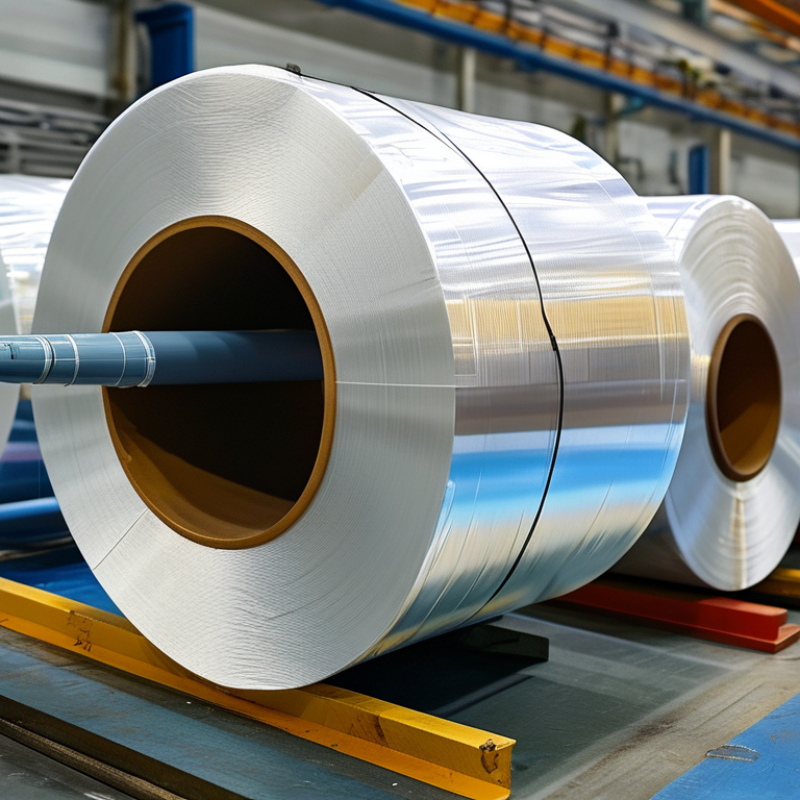
What is Mylar Covered Wire?
Mylar covered wire is a significant innovation in electrical conductivity. It is a type of wire insulated with a polyester film known as Mylar. This insulation provides excellent properties, including high dielectric strength and thermal resistance. According to the International Wire & Cable Symposium, Mylar covered wire is becoming increasingly popular in various applications due to its reliability and efficiency.
This wire is widely used in special applications like motors, transformers, and capacitors. Its resistance to environmental factors adds to its appeal. For instance, the temperature rating can often exceed 130°C, making it suitable for demanding conditions. A report by Allied Market Research highlights that the global insulated wire market is expected to reach $263.1 billion by 2025, driven by innovations like Mylar insulation.
Despite its advantages, Mylar covered wire is not without limitations. The manufacturing process can be complex and requires precise handling to maintain its qualities. Additionally, while Mylar offers good chemical resistance, it may not withstand all solvents. Users need to consider these factors when choosing materials for specific applications. Understanding the strengths and weaknesses of Mylar covered wire is essential for making informed decisions in electrical engineering.
What is Mylar Covered Wire and Why is it Popular?
| Property |
Details |
| Material Composition |
Polyester film (Mylar) coated wire |
| Electrical Insulation |
Excellent dielectric properties |
| Temperature Resistance |
Can withstand high temperatures (up to 150°C) |
| Chemical Resistance |
Resistant to many chemicals and solvents |
| Applications |
Used in motors, transformers, and audio equipment |
| Weight |
Lightweight and flexible |
| Popularity Reason |
Combines performance with durability and cost-effectiveness |
Composition and Manufacturing Process of Mylar Wire
Mylar covered wire is emerging as a popular choice in various industries, thanks to its unique composition and manufacturing process. This wire typically consists of a central conductor made from copper or aluminum, surrounded by a layer of Mylar, a type of polyester film. The Mylar coating provides excellent insulation and protection against moisture, chemicals, and physical wear. According to market reports, the insulated wire market is projected to grow significantly, with an increase in demand for durable materials.
The manufacturing process of Mylar wire involves multiple steps. Initially, the conductor is drawn to the desired thickness. Next, it is coated with Mylar through a process known as extrusion or lamination. This layer can vary in thickness depending on the application. The final product undergoes rigorous testing to ensure high insulation resistance and mechanical strength. Industry data highlights that wires with Mylar insulation can withstand temperatures up to 150 degrees Celsius. However, not all manufacturers adhere to these standards, leading to variability in quality.
Despite its advantages, Mylar wire has limitations. Some applications may require higher tensile strength or flexibility, where alternatives may perform better. Additionally, the production process can be resource-intensive, raising concerns about environmental impact. The popularity of Mylar covered wire should prompt ongoing discussions about balancing performance and sustainability in material choices.
Key Properties and Advantages of Mylar Insulation
Mylar covered wire is renowned for its exceptional insulation properties. Mylar, a polyester film, enhances electrical performance and thermal stability in various applications. Reports indicate that Mylar insulation can endure temperatures up to 150°C while providing effective dielectric strength. This makes it a preferred choice for industries such as aerospace and mechanical engineering.
One advantage of Mylar insulation is its resistance to moisture and chemical exposure. This quality protects the wire from environmental damage, ensuring longevity and reliability. Data from insulation testing shows that wires with Mylar insulation experience lower capacitance, which translates to improved signal quality. Such characteristics contribute to its widespread use in high-performance electronic devices.
Tips: Always consider the potential impact of ambient conditions on wire performance. Regular inspections can prevent long-term issues. When choosing insulation materials, weigh the trade-offs between cost and performance. While Mylar is efficient, it's essential to recognize its limitations under extreme conditions.
Common Applications of Mylar Covered Wire
Mylar covered wire is increasingly popular due to its unique properties and versatility. This type of wire is often used in applications requiring insulation and protection from environmental factors. Its ability to withstand high temperatures makes it ideal for motor windings and transformers, where heat dissipation is crucial. According to a report by the International Electrical and Electronics Engineers (IEEE), the usage of Mylar insulated wire in industrial applications has seen a 15% growth annually over the past five years.
In the field of electronics, Mylar covered wire serves as a reliable component in capacitors and high-voltage insulations. Data from industry analysts show that its dielectric strength can reach up to 500 volts per mil. This makes it an excellent choice for delicate electronics that require robust insulation. Additionally, it is commonly found in audio equipment wiring, where minimal interference is essential for sound quality. Engineers appreciate its durability but must also consider that not all environments are suitable for Mylar.
The aerospace and automotive industries also utilize Mylar covered wire extensively. Its lightweight nature contributes to fuel efficiency while ensuring safety and performance reliability. However, some professionals caution against using it in extreme conditions, as prolonged exposure to humidity can lead to degradation. Balancing its advantages with potential drawbacks is crucial for its effective application in these sectors.
Factors Contributing to Its Popularity in Various Industries
Mylar covered wire has gained significant traction across various sectors. Its unique properties cater to the demands of electronics, aerospace, and automotive industries. The insulation material boasts robust thermal stability and excellent electrical resistance, making it ideal for high-performance applications. According to a report by Grand View Research, the demand for these wires is expected to grow at a compound annual growth rate (CAGR) of 6.7% from 2021 to 2028.
One reason for its popularity is the growing need for lightweight materials. Mylar's low-density character contributes to weight reduction in high-tech devices, enhancing efficiency. For instance, in aerospace projects, weight savings can lead to increased fuel efficiency. A recent survey indicated that 78% of engineers consider weight as a critical factor in material selection. This trend shows how Mylar covered wire meets modern industry standards.
Another contributing factor is its adaptability. Mylar can withstand extreme temperatures and environmental conditions, vital for automotive and consumer electronics. However, some concerns remain regarding its long-term durability in harsh environments. Industry leaders have noted performance variations under specific stress conditions. Thus, ongoing research aims to address these challenges and enhance reliability.
Popularity Factors of Mylar Covered Wire in Various Industries
FAQS
: Mylar covered wire is insulated with a polyester film. It enhances electrical conductivity and durability.
Mylar insulation offers high dielectric strength and thermal resistance. It's suitable for various demanding applications.
It's commonly used in motors, transformers, capacitors, and delicate electronics needing robust insulation.
The manufacturing process can be complex. It may also not resist all solvents, affecting its performance.
Mylar wire is made by coating a copper or aluminum conductor with Mylar film. This ensures moisture protection.
Mylar insulated wire can typically handle temperatures above 130°C, ideal for heat-sensitive applications.
No, environments with high humidity may degrade Mylar wire. Users need to consider the application carefully.
It's widely used in aerospace, automotive, and electronics due to its lightweight and efficient insulation properties.
Yes, the production process can be resource-intensive. Discussions about environmental impact are ongoing.
No, not all manufacturers meet the same standards. Variability in quality can affect performance.
Conclusion
Mylar Covered Wire is a specialized type of electrical wire that features insulation made from Mylar, a polyester film known for its durability and excellent electrical properties. The manufacturing process involves the application of Mylar coating over copper or aluminum conductors, resulting in a wire that is not only lightweight but also highly resistant to heat, moisture, and chemicals.
The key properties and advantages of Mylar insulation include its exceptional dielectric strength, flexibility, and thermal stability, making it suitable for various applications in the electronics, automotive, and aerospace industries. Its popularity stems from these advantageous properties, which meet the demands of modern technology while ensuring reliability and performance across a wide range of environments.

 Lucky Pioneer