Litz Wire is a specialized type of electrical wire designed to reduce the skin effect and proximity effect in conductors. According to Dr. Emily Chen, a leading expert in electromagnetic compatibility, “Litz Wire is essential for high-frequency applications.” This wire consists of multiple strands that are individually insulated and twisted together. This design minimizes resistance and allows for efficient energy transmission.
In today’s compact and efficient electronic devices, Litz Wire plays a critical role. It enhances the performance of transformers, inductors, and motors. By using Litz Wire, engineers can improve overall efficiency and reduce unwanted heat generation. These benefits are particularly important in renewable energy systems, where performance impacts sustainability.
However, Litz Wire application presents challenges. It’s more complex to manufacture than traditional wiring, leading to higher costs. There is also a learning curve for engineers on the proper implementation of this technology. Despite these hurdles, the advantages of Litz Wire in high-frequency electronics cannot be overlooked. Making informed decisions about its use can reshape energy efficiency in modern applications.
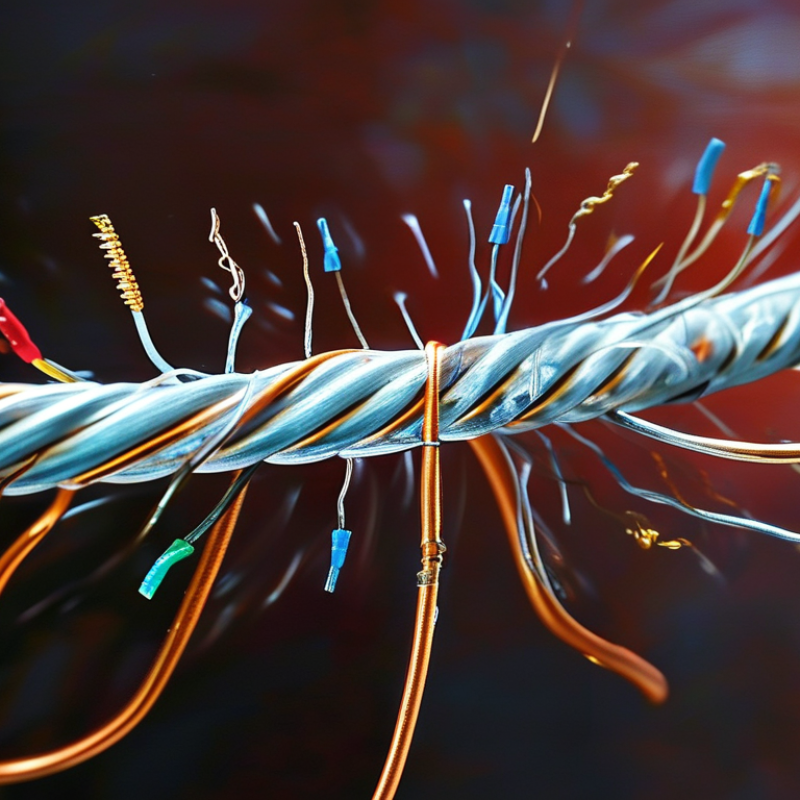
What is Litz Wire? Understanding its Structure and Composition
Litz wire is a specialized type of electrical wire designed to reduce eddy current losses. Its structure consists of multiple thin insulated strands twisted together. This arrangement increases the surface area, allowing for efficient transmission of alternating current (AC). The winding technique helps in minimizing skin effect, which can greatly impair performance in high-frequency applications.
When choosing Litz wire, consider the number of strands and their gauge. Smaller wires can better avoid losses in high-frequency scenarios. Another aspect to think about is insulation type. Different insulations can handle varying temperatures, so pick what suits your application best.
Tips: Always ensure that the wire’s specifications match your requirements. Conduct tests to check performance under actual conditions. If issues arise, re-evaluate your wire choice and installation technique. Engaging with industry professionals may also provide insights into optimizing your setup.
The Importance of Litz Wire in Reducing Skin and Proximity Effects
Litz wire is a type of electrical wire designed to reduce losses in high-frequency applications. Its unique construction consists of multiple thin strands insulated from each other. This design helps minimize skin and proximity effects, which can significantly degrade performance.
Skin effect occurs when alternating current (AC) tends to flow near the surface of the conductor. Proximity effect is similar but involves nearby conductors affecting the current distribution.
Using Litz wire in your designs can lead to more efficient energy transmission. It improves the performance of transformers, motors, and inductors, especially in power electronics. However, Litz wire is not always the best choice for every application. For low-frequency scenarios, traditional wire may suffice and be more cost-effective. It is important to evaluate your specific needs before making a switch.
The demand for more compact and efficient electronic devices pushes engineers to find solutions for power loss. Litz wire offers one such solution. However, there are challenges like manufacturing complexity and increased cost. It requires careful design considerations and testing.
Balancing performance gains with these factors is essential in making an informed decision.
Key Applications of Litz Wire in Modern Electrical Systems
Litz wire plays a crucial role in modern electrical systems, particularly in high-frequency applications. Its design consists of many thin strands of wire, which are insulated and twisted together. This construction helps reduce skin effect and proximity effect, making Litz wire more efficient for alternating current (AC) use. In fact, studies indicate that using Litz wire can improve efficiency by up to 30% in some applications.
Key applications of Litz wire include transformers, inductors, and wireless charging systems. In power supplies, Litz wire minimizes losses, particularly in switching regulators. According to industry reports, the demand for efficient power supplies is projected to grow by 8% annually through 2025. Wireless charging systems also benefit from Litz wire, enabling more efficient energy transfer and smaller designs.
However, Litz wire isn't without its challenges. The manufacturing process can be complex, requiring precise control over wire strands. This can lead to variability in quality. Additionally, the cost of Litz wire can be higher than traditional wire types, which can be a hurdle for some manufacturers. Balancing performance and cost remains a key consideration.
What is Litz Wire and Why Do You Need It? - Key Applications of Litz Wire in Modern Electrical Systems
| Application |
Description |
Advantages of Litz Wire |
Common Uses |
| Inductors |
Used in high-frequency applications to reduce electrical losses. |
Improved efficiency and reduced heating. |
Switch mode power supplies, RF coils. |
| Transformers |
Minimizes skin effect and proximity effect at high frequencies. |
Higher power handling and better thermal performance. |
High-frequency transformers inverters. |
| Electric Motors |
Used in windings for enhancing performance in small and compact designs. |
Increased efficiency and reduced electromagnetic interference. |
Brushless DC motors, stepper motors. |
| Audio Equipment |
Employed in speaker and headphone wiring for better signal quality. |
Reduced losses and improved sound clarity. |
High-end audio systems, headphones. |
| Wireless Charging |
Used in coils for efficient power transfer in wireless applications. |
Higher efficiency and better performance at varying distances. |
Smartphones, electric vehicles. |
Technical Performance: Comparing Litz Wire with Traditional Wiring Solutions
Litz wire is a unique solution for reducing losses in high-frequency applications. Its construction involves multiple insulated strands twisted together. This design reduces skin effect and proximity effect, which are major challenges in traditional wiring. According to industry research, using Litz wire can lower power losses by up to 30% compared to conventional copper wire in high-frequency circuits.
In various applications like transformers and inductors, the performance differences are striking. For instance, a study published in the *Journal of Electrical Engineering* noted that Litz wire showed a 15% increase in efficiency over standard configurations. This can lead to significant energy savings over time, especially in large-scale operations. However, it’s important to note that Litz wire can be more complex to manufacture and handle.
Not all applications warrant its use. For low-frequency operations, traditional wires still perform adequately. Engineers need to analyze the specific requirements of their projects. In some instances, the benefits of Litz wire might not justify the cost. Balancing performance needs with budget constraints is essential for effective project planning.
Comparison of Litz Wire and Traditional Wiring Solutions
Litz wire offers significantly lower resistance compared to traditional wiring solutions, making it ideal for high-frequency applications. The chart above illustrates the resistance values of Litz wire versus traditional copper and aluminum wires.
Industry Insights: Market Trends and Future of Litz Wire Technology
Litz wire is making waves in various industries due to its unique structure and performance benefits. Recent market reports reveal that the global demand for Litz wire is on the rise, with projections estimating a CAGR of 8% over the next five years. This growth is largely attributed to its application in high-frequency transformers and inductors. These components are crucial in renewable energy systems and electric vehicles, sectors that are gaining traction.
Emerging trends highlight the expanding use of Litz wire in consumer electronics and telecommunications. As devices become more compact, the need for efficient, lightweight wiring increases. Using Litz wire can reduce losses from skin and proximity effects, enhancing efficiency. Approximately 90% of engineers report improved performance metrics when switching to Litz wire, according to a survey by industry analysts.
However, companies must navigate challenges in manufacturing. Quality control is vital to ensure the wire's integrity. Inadequate attention to detail can lead to performance inconsistencies. As the market evolves, the establishment of standardized practices is crucial. Future research may provide deeper insights into optimizing Litz wire for even broader applications across critical industries.
FAQS
: Litz wire is a type of electrical wire that reduces eddy current losses. It consists of multiple thin, insulated strands twisted together.
Litz wire increases surface area, reducing skin effect. This leads to better performance in high-frequency applications, enhancing transmission efficiency.
Consider the number of strands and their gauge. Smaller strands better reduce losses in high-frequency scenarios.
Different insulation types handle various temperatures. Select insulation that aligns with your specific application requirements.
Litz wire is used in transformers, inductors, and wireless charging systems. It helps minimize losses in power supplies too.
Yes, the manufacturing process can be complex. This complexity may result in variability in wire quality and higher costs.
Litz wire can be more expensive than traditional wire types. This cost can be a consideration for some manufacturers.
Conduct tests under actual conditions. If issues arise, re-evaluate your wire choice and installation technique.
The demand for efficient power supplies is growing. This trend may drive innovation and lower costs in the future.
Seek advice from industry professionals to optimize your setup and address any concerns you have about performance.
Conclusion
Litz Wire is a specialized type of electrical wire designed to minimize the skin and proximity effects that occur in alternating current (AC) applications. Composed of many thin wire strands insulated from each other, Litz Wire effectively reduces resistance and improves energy efficiency, making it a crucial component in high-frequency systems. Its unique structure enhances performance in applications such as transformers, inductors, and motors, where traditional wiring solutions may fall short.
In addition to its technical advantages, Litz Wire is gaining traction in various industries due to increasing demand for efficient electrical systems. As technology advances and the market evolves, understanding the importance of Litz Wire and its applications will be essential for engineers and manufacturers looking to leverage its benefits. With ongoing innovations, the future of Litz Wire technology looks promising, driving further integration into modern electrical designs.

 Lucky Pioneer