Choosing the right XLPE cable is crucial for various applications. XLPE, or cross-linked polyethylene, is known for its excellent electrical and thermal properties. According to industry reports, the global market for XLPE cables is projected to reach $20 billion by 2026, driven by increasing demand in renewable energy and infrastructure projects.
When selecting XLPE cables, consider factors such as voltage rating, environmental conditions, and installation method. Improper choice can lead to failures, increased costs, and safety hazards. Data suggests that approximately 30% of cable failures are due to poor selection and installation practices. This highlights the need for a systematic approach when evaluating options.
It is essential to consult with experts and follow industry standards. Many manufacturers provide guidelines, but users must critically assess their specific needs. Not all XLPE cables are created equal, and selecting an inadequately rated cable can result in significant issues. Prioritizing quality and specifications will ensure reliable performance in the long term.
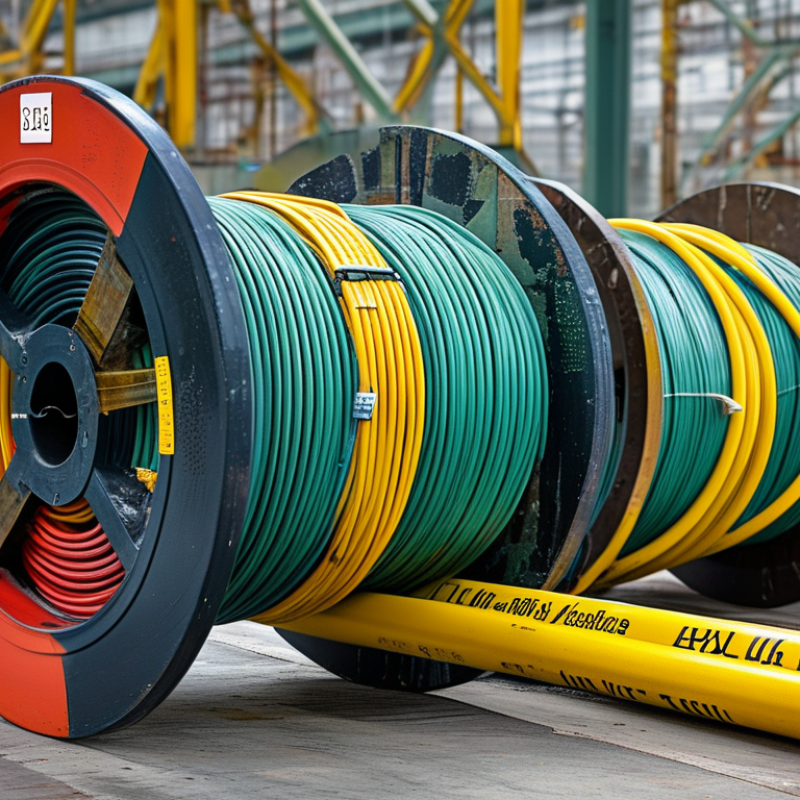
XLPE (cross-linked polyethylene) cables are widely used in various electrical applications. Understanding their features and benefits is crucial for making informed choices. One key advantage of XLPE cables is their excellent thermal resistance. According to a study published in the International Journal of Electrical Power & Energy Systems, XLPE cables can operate safely at temperatures up to 90°C, making them suitable for a wide range of environments.
Another notable benefit is their superior dielectric strength, which significantly reduces the risk of electrical breakdown. The same study indicates that XLPE cables can achieve dielectric strength values of 20 kV/mm or higher. This characteristic allows XLPE cables to handle high electrical loads, providing reliability in critical applications.
Moreover, the long-term performance of XLPE cables is impressive. Research shows that their lifespan can exceed 40 years under proper conditions. However, it’s worth acknowledging that installation must be done carefully. Incorrect handling or exposure to extreme conditions may lead to performance issues. Evaluating these aspects is essential to choose the right cable for specific needs effectively.
| Feature | Description | Benefit | Typical Applications |
|---|---|---|---|
| Thermal Resistance | Excellent thermal insulation properties | Reduces heat loss and improves efficiency | Industrial power distribution, utilities |
| Chemical Resistance | Resistant to a wide range of chemicals | Longer lifespan in harsh environments | Chemical plants, oil and gas industry |
| Moisture Resistance | Low moisture absorption rate | Prevents electrical failures | Wet environments, underground installations |
| Flexibility | Highly flexible for easier installation | Reduces installation time and labor costs | Residential, commercial wiring |
| Temperature Range | Operational in high and low-temperature extremes | Versatile for diverse applications | Power plants, extreme climate areas |
: Understanding power requirements is crucial to avoid incorrect specifications. Over 70% of cable failures arise from this issue.
Consider both peak and continuous currents. Residential setups may need 10-20 amperes while commercial sites often require 100 amps or more.
Temperature, humidity, and chemical exposure can significantly impact cable lifespan and reliability.
High temperatures can cause insulation aging, while cold conditions may lead to cracking.
Excess moisture can lead to insulation breakdown over time, especially in high humidity areas.
Yes, soil composition and installation depth are vital for ensuring the cable's long-term performance.
Chemicals and solvents can deteriorate cable materials, potentially leading to failures.
Incomplete evaluations of environmental conditions often lead to suboptimal choices and increased maintenance needs.
Regularly updating your knowledge is essential, as outdated information can result in inefficient installations.
Ignoring unique requirements may result in inadequate solutions, causing further maintenance and replacement issues.
When selecting the right XLPE cable for your needs, it's essential to first understand its features and benefits. XLPE cables offer exceptional thermal and chemical resistance, making them suitable for a variety of applications. Identifying your specific power requirements will guide you in choosing the appropriate cable type and size, ensuring optimal performance.
Furthermore, evaluating the environmental conditions where the cable will be installed is crucial, as factors such as temperature, moisture, and potential physical damage can influence the cable's longevity and efficiency. Proper cable sizing and configuration play a vital role in meeting your project's demands. Lastly, comparing the cost and performance of different XLPE cable options allows for a more informed decision, balancing budget constraints with the performance needs of your installation.

 Lucky Pioneer