The world of insulated wire presents a multitude of choices for global buyers. With the rising importance of safety and efficiency in electrical applications, selecting the right insulated wire is crucial. Insulated wire is essential for protecting conductors from environmental factors. Its role in preventing electrical accidents cannot be overstated.
As buyers navigate the market, they face challenges. There are many types, materials, and insulation thicknesses to consider. Each option impacts performance and durability. While some buyers may opt for the cheapest option, they might overlook important factors like quality and compliance with international standards.
Global buyers must assess their specific needs and the environment where the insulated wire will be used. Sourcing from reputable manufacturers can be a reliable approach. Quality often reflects the manufacturer's expertise and commitment to safety. Buyers should weigh all these variables carefully to make informed decisions that suit their unique requirements.
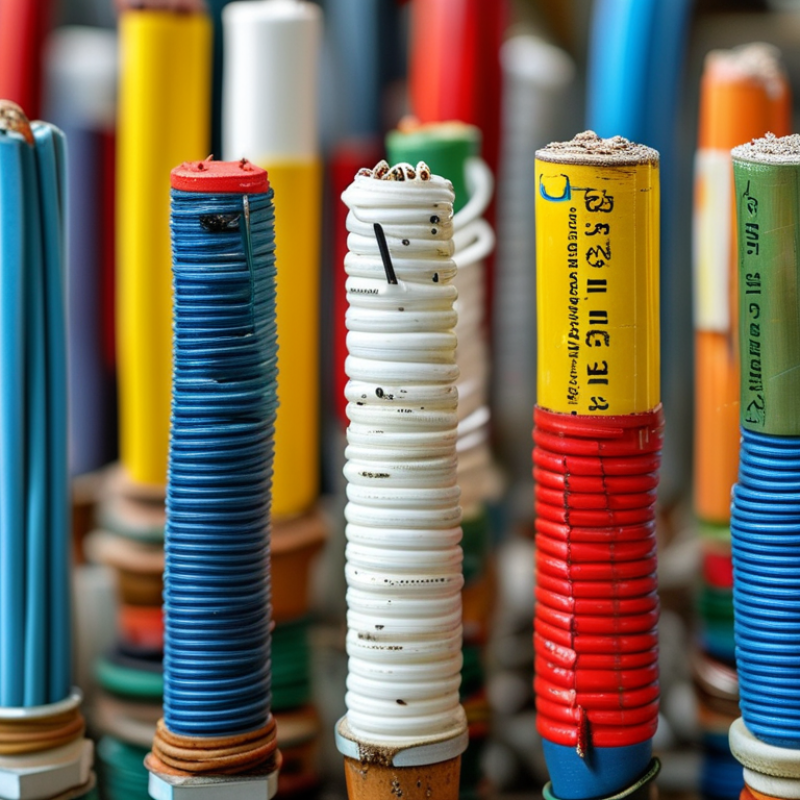
When selecting insulated wire, several crucial factors come into play. The wire's thermal resistance is paramount. Reports highlight that wires operating at higher temperatures can lead to insulation breakdown. According to industry studies, over 75% of insulation failures are related to inadequate thermal ratings. Buyers must consider the temperature environment in which the wire will be used.
Material choice also significantly influences performance. Various insulation materials, like PVC, Teflon, and rubber, each have unique properties. For instance, Teflon can endure higher temperatures without degrading, making it a preferred choice in demanding applications. Meanwhile, PVC is often more affordable but is less durable under stress. Interestingly, around 60% of buyers opt for materials based solely on cost, potentially overlooking the long-term risks involved.
Lastly, regulatory standards and safety ratings are critical. Different regions have specific compliance requirements. Ignoring these can lead to severe consequences, including fines or project delays. Although many manufacturers ensure compliance, buyers should verify certificates themselves. Understanding the implications of choices can lead to better, safer selections, enhancing overall project success.
Insulated wires play a vital role in electrical systems. Various types are available globally, each serving specific functions. For instance, PVC insulated wires are widely used due to their flexibility and resistance to moisture. They are ideal for indoor applications. However, their performance may decline under extreme temperatures.
Another popular option is XLPE insulated wire. This type withstands higher temperatures and offers excellent electrical properties. It is suitable for outdoor use and long-distance applications. Yet, it can be costlier than other types. Buyers should weigh the benefits against expenses.
Furthermore, rubber-insulated wires provide outstanding flexibility and durability. They are often found in portable equipment. While they can resist harsh conditions, they may not be the best choice for fixed installations. As the market evolves, buyers must stay informed about these options. Understanding their unique characteristics can lead to better decisions.
When selecting insulated wire for various applications, it’s essential to consider the materials used. Different materials provide varying degrees of thermal resistance, flexibility, and durability. For example, PVC is a common choice due to its balance of affordability and adequate insulation properties. However, it may not withstand extreme high temperatures as effectively as materials like silicone or Teflon. These high-end options can endure harsh conditions but come at a greater cost.
In 2026, the market for insulated wires will continue to expand rapidly. Global buyers need to be aware of key suppliers and manufacturers. Many companies focus on offering quality materials that meet international standards. This ensures reliable performance across various applications, from construction to electronics.
Companies involved in the production of insulated wires often prioritize innovation. They invest in advanced technologies to improve insulation properties and durability. However, potential buyers should note that not all suppliers maintain the same level of quality. Research is essential when selecting a manufacturer. Buyer reviews and industry reports can provide valuable insights into supplier reliability.
The landscape of insulated wire manufacturing is also influenced by regional trends. Some regions may excel in specific materials or technologies. Buyers must remain adaptable and willing to explore options from different areas. Understanding local regulations can impact the selection process, as compliance is critical. As the industry evolves, it’s crucial to stay informed about challenges and opportunities within the market.
| Wire Type | Material | Temperature Rating (°C) | Insulation Thickness (mm) | Application | Global Supply (Meters/Year) |
|---|---|---|---|---|---|
| PVC Insulated Wire | Copper | 70 | 0.6 | Residential Wiring | 1,500,000 |
| XLPE Insulated Wire | Aluminum | 90 | 1.0 | Industrial Applications | 2,000,000 |
| Thermoplastic Insulated Wire | Copper | 105 | 0.8 | Automotive Wiring | 800,000 |
| EPR Insulated Wire | Copper | 150 | 1.5 | High Voltage Applications | 500,000 |
| Silicone Insulated Wire | Copper | 200 | 0.4 | Extreme Environment | 300,000 |
Insulated wire technology is evolving rapidly. This evolution is influenced by various factors, including energy efficiency and environmental concerns. New materials are being developed to enhance thermal performance. For instance, fiber-reinforced polymers show promise for their lightweight nature and high strength. Such innovations are vital for industries needing reliable, lightweight wiring solutions.
The push for sustainability is changing manufacturing practices. Eco-friendly materials are becoming more common in insulated wire production. This shift reflects a broader trend toward reducing environmental footprints. Advances in methodologies, like low-impact production techniques, are gaining traction. However, there are still challenges. The industry must balance cost and performance while transitioning to greener options.
Furthermore, the demand for smart technology is rising. Insulated wire must adapt to support complex electrical systems, such as those in renewable energy. Smart wires that can monitor their own conditions are emerging. Yet, these technologies require further refinement and testing. As the market grows, understanding user needs and keeping pace with innovation will be essential. The future of insulated wire lies in addressing these evolving requirements.
: Thermal resistance is crucial. Higher temperatures can cause insulation breakdown.
Over 75% of failures connect to inadequate thermal ratings.
Different materials have unique properties. For example, Teflon handles higher temperatures better than PVC.
Around 60% of buyers prioritize cost. This can lead to overlooking long-term risks.
Compliance with regional regulations prevents fines and project delays. Buyers should verify compliance independently.
Fiber-reinforced polymers are promising for their lightweight and strong characteristics.
Eco-friendly materials and low-impact production methods are becoming more prevalent.
Balancing cost and performance is a significant challenge during this transition.
Insulated wires are evolving to support smart technology and renewable energy systems.
Continued refinement and testing of new technologies are essential to meet changing user needs.
The article titled "2026 Best Insulated Wire Options for Global Buyers" explores the essential factors influencing the selection of insulated wire, which is critical for various applications in electrical and electronic industries. It provides an overview of the diverse types of insulated wires available worldwide, detailing their specific uses and benefits. A comparative analysis highlights the performance of different insulated wire materials, alongside their suitability for various applications, aiding buyers in making informed choices.
Furthermore, the article identifies key suppliers and manufacturers in the insulated wire market for the year 2026, ensuring that global buyers are aware of reliable sourcing options. Lastly, it discusses future trends in insulated wire technology, emphasizing innovations that promise enhanced safety, efficiency, and environmental sustainability, which are set to shape the landscape for insulated wire well into the future.

Lucky Pioneer